Article

Innovative Construction Machinery: Technologies and Construction 4.0

 The construction industry is undergoing a seismic transformation, driven by digital advancements and the growing presence of innovative construction machinery on the market. 
In recent years, the sector has shifted from traditional, mostly manual methods to more efficient, automated processes. This transformation, now accelerating rapidly, is not a passing trend but a permanent evolution in how construction projects are planned, executed and managed.

At the heart of this revolution is the integration of digital technologies like Building Information Modelling (BIM), drones, and artificial intelligence (AI). These tools enable real-time data collection and analysis, streamline project management, improve collaboration, and reduce both time and costs.
For instance, drones are now routinely used for site surveys, delivering instant topographic data to support smarter, faster decision-making.

Among the new technologies in construction, we must also mention innovations in material and component finishing, which are critical to turning designs into solid, durable realities.

Advanced construction technologies and next-generation machinery

Improved efficiency, enhanced safety, and a strong focus on sustainability: these are the keywords that define the present and future of the building industry.
Construction is evolving, driven by automated equipment and advanced technologies that are reshaping every phase of the building process. From 3D modelling and printing to self-driving vehicles and the already-mentioned drones, modern builders are radically rethinking how projects are designed and executed.

Automated machinery significantly improves operational efficiency, speeding up tasks like excavation and material handling that once took a long time.
Beyond labour cost savings, these systems reduce human error and increase worksite safety.
What’s more, many of these next-generation technologies are designed using eco-friendly materials and processes, and operate with reduced waste and energy consumption, thereby supporting the industry’s growing commitment to environmental protection.

DISCOVER THE MOST ADVANCED FINISHING SOLUTIONS

Elevate your competitive edge.

Construction 4.0 and innovation on site

Welcome to Construction 4.0: a new era of project execution and management.
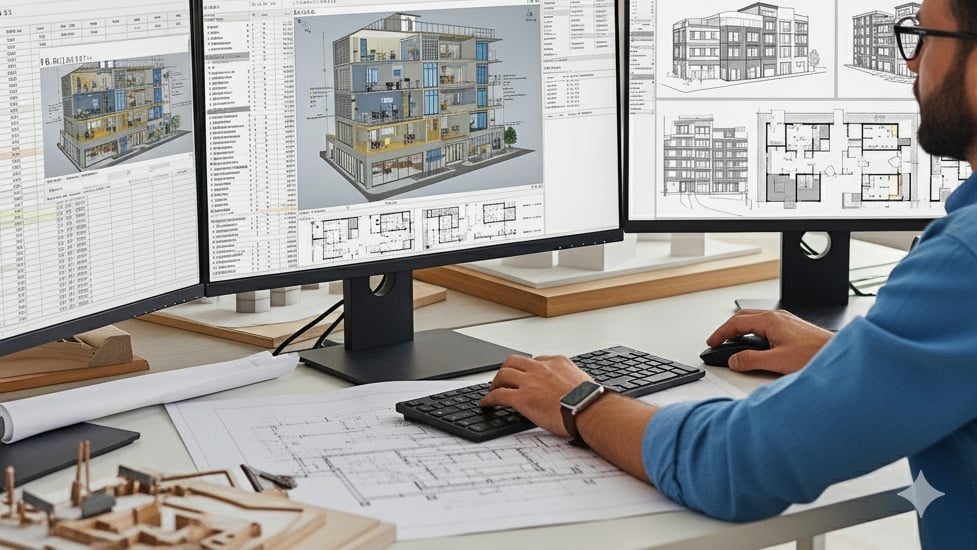
By combining BIM, IoT ecosystems, and AI platforms, companies can create a digital twin—a virtual replica of a construction project, allowing all stakeholders to visualise each phase before physical work begins. This improves planning and optimises resource allocation from the start.

But innovation doesn’t stop at design. These technologies enhance the entire value chain, fostering real-time collaboration between architects, engineers, and contractors.
Worksites are becoming smarter and more connected, enabling faster decisions, higher productivity, and projects that consistently meet expectations, in both detail and deadlines.


Cefla Finishing: innovative solutions for construction finishing

A vital part of this transformation lies in finishing technologies, essential to ensure architectural elements meet both aesthetic and functional project requirements.
Different substrates used in construction must meet strict performance standards while maintaining visual appeal.

At Cefla Finishing, we understand this deeply. That’s why we offer a comprehensive portfolio of state-of-the-art solutions that help forward-thinking construction professionals bring innovation to their projects.

We are leaders in concrete finishing technologies, as well as experts in fibre cement finishing—a material increasingly embraced by architects for both interiors and exteriors.
Fibre cement finishing includes curtain, spray and roller coating, plus industrial digital printing for high-definition, customised patterns.

WANT TO UNLOCK FIBRE CEMENT'S DECORATIVE POTENTIAL CONSTRUCTION?

From roller systems that apply products to both sides of a panel simultaneously, to automated spray coating systems that minimise manual effort, Cefla Finishing ensures maximum efficiency in every step of the process.
Remote production tracking and software allow real-time control of parameters at a single point on the line, delivering high-performance finishing lines with outstanding productivity and quality.

In metal surface finishing, a cornerstone of the construction industry, Cefla offers technologies for external cladding, windows, doors and decorative panels. Each substrate requires different techniques depending on its nature, shape and final application.

Our solutions include:

  • Spray coating: ideal for most metal products, with roller and vacuum technologies used in specific cases
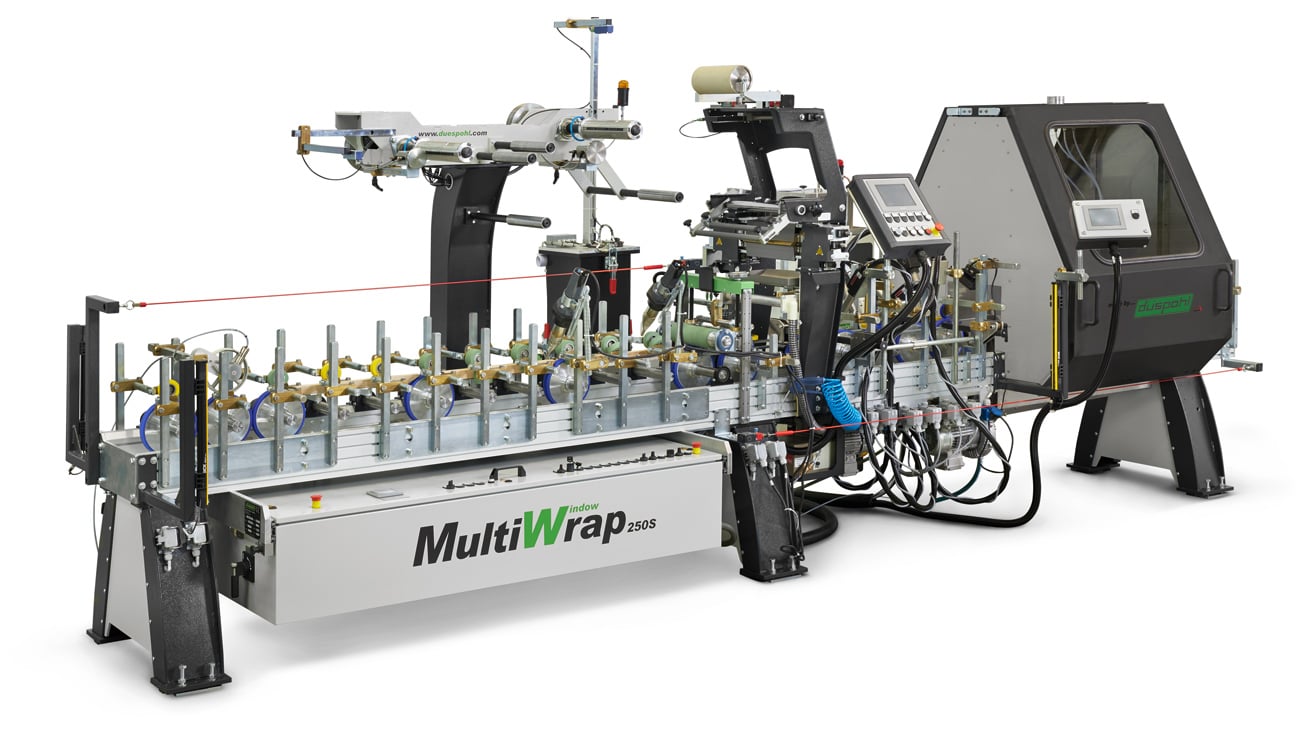
  • Wrapping: especially for aluminium profiles, enhancing tactile and visual appeal
  • Industrial digital printing: enabling full customisation for large or single-batch production
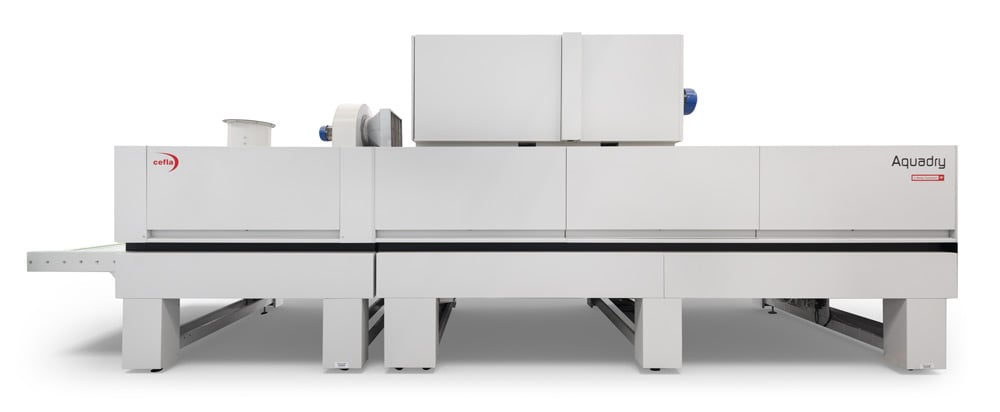
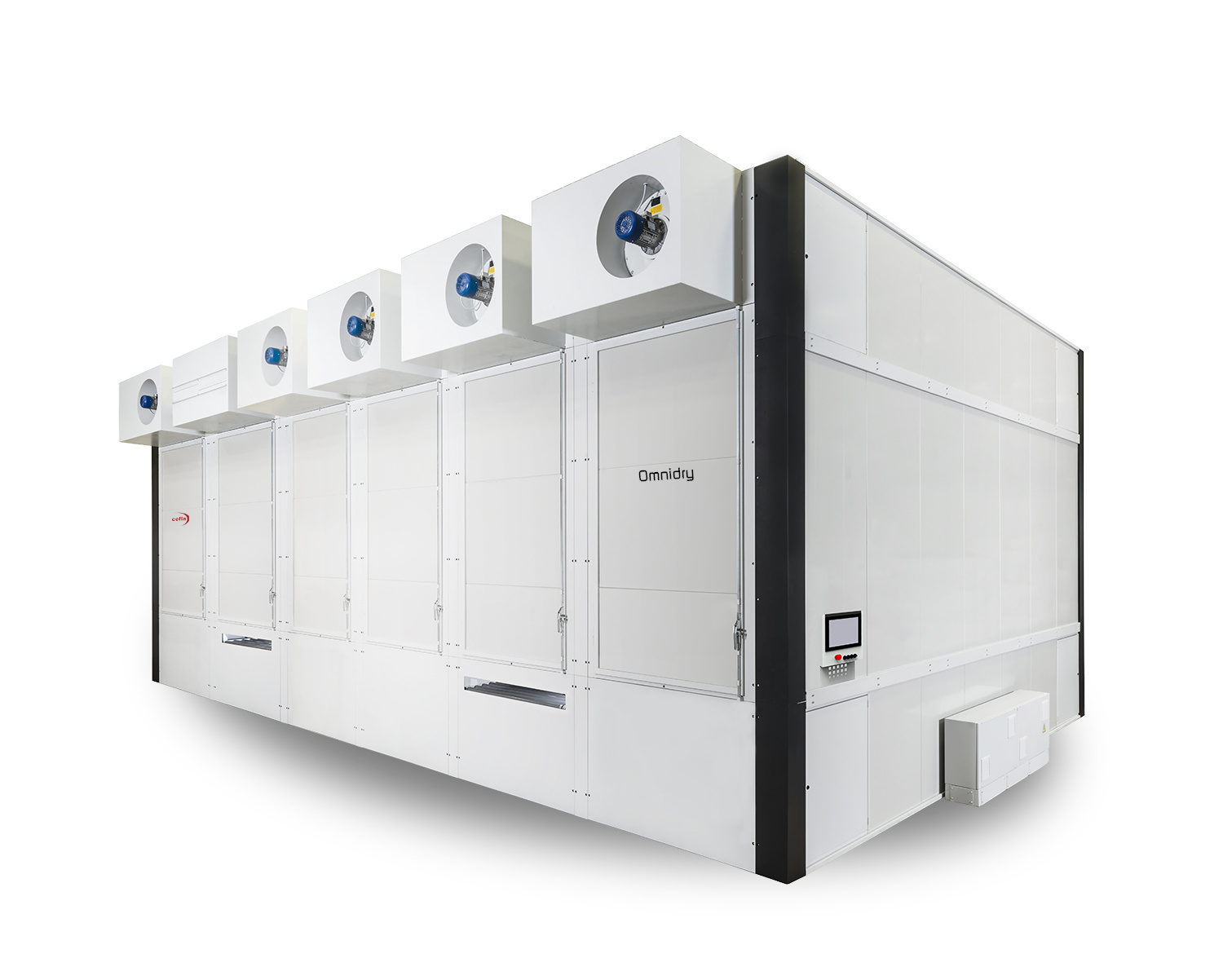
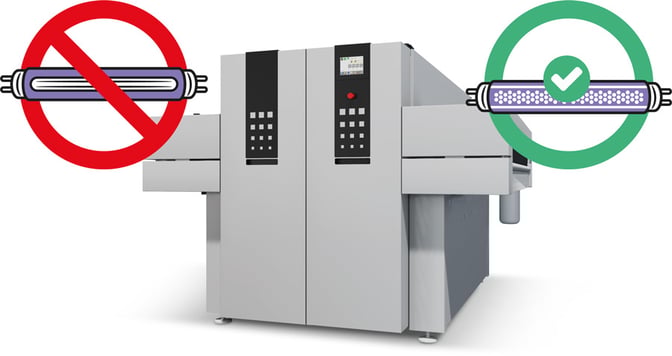
  • Drying systems: optimised for energy-efficient and consistent curing across all finishing stages

Cefla Finishing: success stories and continuous innovation

Cefla Finishing helps modernise the construction sector with innovative finishing strategies and constant adaptation to market demands.
Over decades of collaboration with top manufacturers, we’ve improved traditional lines and even helped create new product categories.

One example is our partnership with Marcegaglia Group on the CROMATICA project within the COATEEL pre-painted steel range.
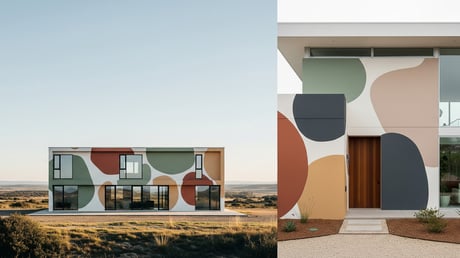
CROMATICA allows for personalised textures and images on metal surfaces—ideal for architecture and design—with an endless colour palette, varied opacities and ultra-resistant tactile finishes.
It meets the technical and creative needs of both commercial and residential architecture.

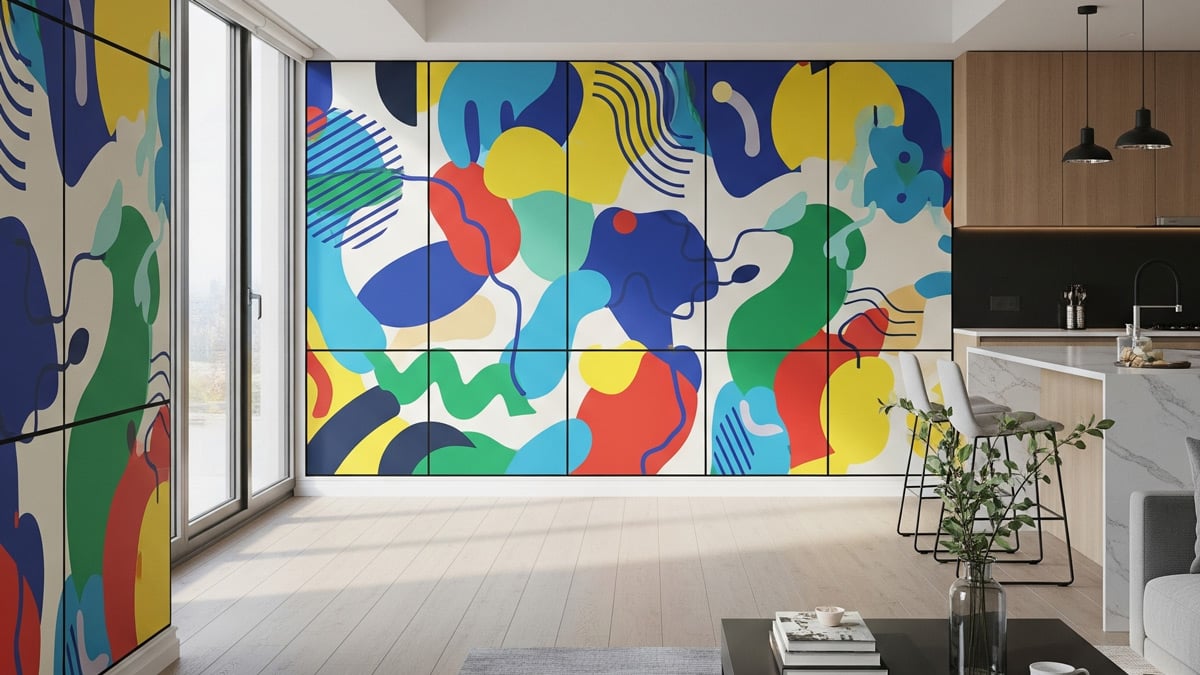
Colored wall finish on interior space

Cefla Finishing LAB: a hub for innovation

Our commitment to developing innovative construction machines is also evident in the events and collaborations we promote with market leaders and academia.

One example: in March, Cefla hosted an Open House event at our Imola HQ, focused on finishing technologies for fibre cement and concrete.
Participants explored both the tactile and technical performance of surface coatings—resistance to UV, mould, pollutants and temperature fluctuations—while witnessing live demonstrations at the world’s largest finishing laboratory: the Cefla Finishing LAB.

The future of construction equipment: trends and directions

Staying tuned to the market and working in line with research trends is crucial for tracking the future of construction.
The latest generation of construction equipment is already pointing toward three clear directions: sustainability, advanced automation, and digital integration.

Sustainability and energy efficiency

Sustainability is a top priority across strategic sectors, and construction leads the way.
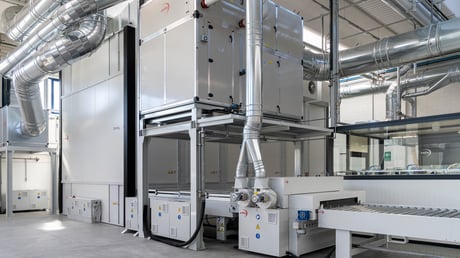
Contractors are adopting machines that cut emissions and improve energy use. Recyclable materials, electric-powered equipment, and low-impact finishing systems—such as energy-efficient ovens and material recycling—are reducing the industry’s carbon footprint.

Advanced automation and robotics

Robotic arms and anthropomorphic systems now handle repetitive tasks like bricklaying, concrete pouring, and surface coating with unmatched precision.
This reduces workload, boosts output, and most importantly, improves safety on the worksite.

Gemini_Generated_Image_nk342bnk342bnk34

Digital integration and IoT in construction machinery

IoT-enabled machines allow real-time monitoring and performance optimisation.
Project managers receive instant updates on machine health and usage, enabling predictive maintenance and reducing downtime.
This approach extends machinery lifespan, prevents breakdowns, and streamlines workflows both on-site and in production.

The outlook: embracing the revolution

The future is already here, but innovation in construction has only just begun.
To benefit from this revolution, companies must understand, anticipate, and lead it.

Cefla Finishing plays a key role—developing the technologies that power Construction 4.0 and helping customers explore new applications and unlock their full innovation potential.

LOOKING FOR THE IDEAL SOLUTION FOR YOUR FINISHING LINE?


The construction industry is undergoing a seismic transformation, driven by digital advancements and the growing presence of innovative construction ...

Article

Cutting machines for decorative materials in reels

In recent years, the industrial cutting sector has undergone a profound technological evolution. Modern automated solutions enhance efficiency, quality, and safety, transforming every stage of decorative material processing. This guide explores the main developments, techniques, and results of the most advanced cutting technologies.

Overview of cutting technologies

Cutting technologies and industrial machines have evolved significantly over the years, replacing traditional manual methods with solutions increasingly geared towards automation.

In this context, it is no exaggeration to say that today, especially in the transformation processes of decorative materials in reels, we are already in the era of 4.0 cutting machines: sophisticated integrated systems that use robotics to create advanced, modular lines. These are capable of greatly simplifying what is a delicate process.

These machines not only enable efficient and safe cutting, reducing human error and increasing productivity, but also help operators enhance operational effectiveness through continuous improvement.

We’re talking about the Internet of Things and Industry 4.0: integrating machines with dedicated software and sensors allows operators to monitor and control the cutting process in real time, ensuring a uniform, high-quality finish for various decorative applications.

Cutting techniques and operating modes

When it comes to optimising the cutting processes of decorative material reels, it is crucial to understand the specific techniques and operating modes involved.

Typically, the process starts with reel cutting, where the roll of material is divided into smaller sections using a saw. The term “saw” is actually reductive: a reel cutting machine uses highly precise mechanisms designed for the type of cut to be made and the materials to be separated, such as paper, PVC, and CPL (Continuous Pressure Laminate).

Just consider the types of blades needed for a paper cutting machine to understand the level of technology involved. There are two main cutting methods: direct cutting and reel-to-sheet cutting. Direct cutting separates the material directly from the roll, whereas reel-to-sheet cutting improves process efficiency by unrolling the reel, cutting it into sheets, and rewinding it.

This latter approach, though counter-intuitive, has a precise motivation: the winding mechanisms play a key role in maintaining consistent tension throughout the process, ensuring smooth and uniform cuts.

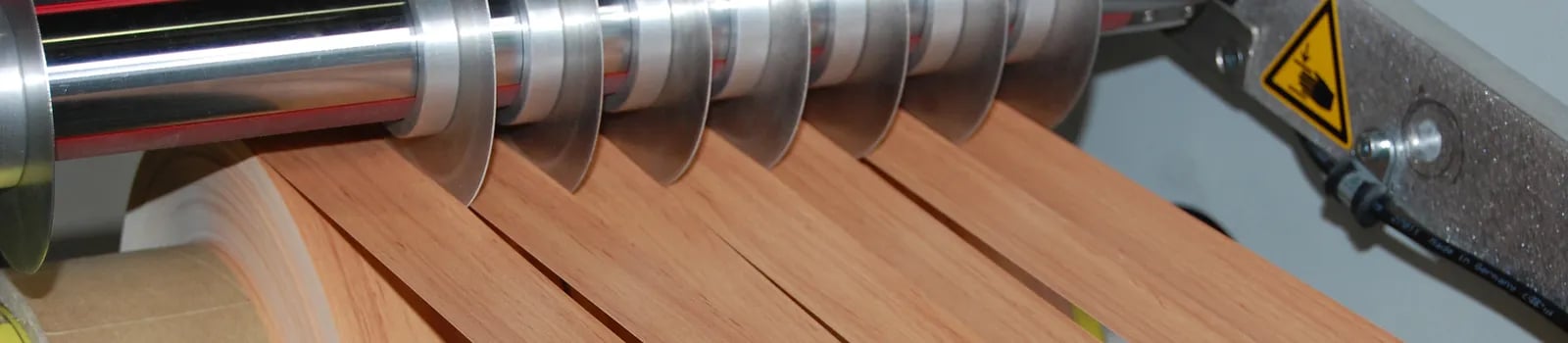
macchine da taglio

THE MOST ADVANCED FINISHING SOLUTIONS

An important factor: the quality of manual cutting 

More specifically, with direct cutting, the saw cuts through the entire reel, including the cardboard core.

The second operation is handled by a machine that divides the reel through a process of unwinding and rewinding. In practice, the saw cuts the specific material, while the unwinding and rewinding machine is equipped with blades that separate various types of decorative materials in common use, including thermoplastic sheets.

taglio materiali superficiali

Special components for excellent results

Good cutting quality is clearly the basis for successful material division. Needless to say, blade choice plays a critical role in achieving this.

Sharp rotary blades ensure effective cutting, but pose a high risk for the operator when positioned manually. Therefore, a solution that prevents this risk through automation should be considered.

Winding shafts with friction rings also contribute significantly to the process. They compensate for differences in the widths of rewound reels, ensuring proper sheet tensioning.

They also balance the negative effects that may arise from material inconsistencies on the parent reel. Then there are the safety systems. The most dangerous task for operators is blade placement, which must be as sharp as possible for the reasons mentioned above.

The ideal solution is to adopt systems that automate this step.

Advantages of automated solutions

Automated cutting solutions offer numerous advantages. One of the most significant is the substantial increase in productivity. Automated cutting technologies for PVC, paper, and CPL allow all material types to be managed with extreme precision, optimising operations based on the specific properties of semi-finished goods.

Striving for even better results means introducing an automatic tension adjustment system. This not only speeds up production times but also ensures consistent quality across all batches. Advanced line control features also improve operational safety: the risk of accidents from manual reel handling is drastically reduced.

Touchscreen controls also play a part, making machine operation more intuitive, allowing quick adjustments even for inexperienced users, and enabling real-time process monitoring.

Add to this the intelligence derived from integration—via network connectivity—with company management systems, and you take the final step into the Industrial Internet of Things: facilitating data exchange and boosting process automation unlocks the full potential of Industry 4.0, greatly improving overall operational flexibility.

This holistic approach means automated solutions not only reduce profile changeover time and enhance process safety, but also streamline job management, regardless of skilled labour availability.

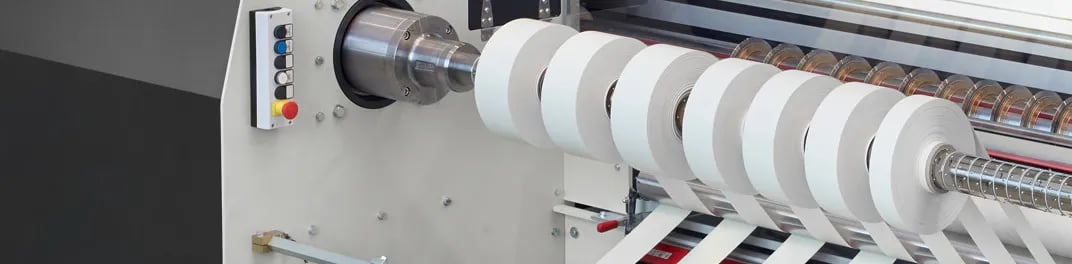
reels

Integration of lamination and coating processes

Naturally, cutting machines for decorative materials don’t operate in isolation—they’re an integral part of the overall production cycle.

These machines are designed to optimally support the transition from cutting to lamination, not only ensuring precision and safety in separation operations but also strengthening the production efficiency of the systems in which they’re used.

Plastic laminate reel production is an excellent example of how such systems work in synergy, generating high-quality output while reducing operational costs and material waste.

A key aspect of this approach is managing the coating and coating application procedures on the reel. By using advanced solutions to ensure uniform application over the entire reel surface, manufacturers can improve final product quality, ensuring durability and attractive aesthetics.

From theory to practice: Cefla Finishing’s solutions

Based on this awareness, Cefla Finishing has designed and developed fully integrated platforms, starting with its AutoCut, RSW, and EasyCut cutting machines—all capable of positioning their extremely sharp blades automatically.

Ensuring maximum precision, repeatability, and reliability, our solutions eliminate any risk to the operator. The machine control panel, available as a touchscreen, also allows connection to the company network, enabling transfer and storage of relevant production data.

This data forms a solid foundation for effective production management. Additionally, thanks to integration with company systems, process recipes can be prepared in the office using a standard PC. The operator at the machine simply selects the correct recipe to initiate a fully automated process.

Duespohl AutoCut machine

AutoCut: when automation means precision

AutoCut is the ideal solution for companies needing to cut reels up to 1600 mm wide for coating processes. It ensures precise, finished work, thanks to the Automatic Slitter Positioning (ASP) system: an automatic positioning mechanism for the upper/lower blades and two in-line lasers to better align winding sleeves.


AutoCut features: - Applicable in numerous industrial sectors - Automatic positioning of the cutting disk - High flexibility thanks to multiple cutting systems - Remote and diameter-based automatic braking force control - Constant web speed and tension during winding - Easy blade replacement - Excellent accessibility with cantilevered winding shafts - Deionisation available

RSW: high-quality blades for excellent cutting

RSW is a robust machine capable of separating reels up to 1600 or 2200 mm wide. To ensure constant pulling force during unwinding and rewinding, the solution automatically controls and adjusts braking force. This guarantees ideal pulling tension regardless of reel width.

RSW features: - Remote and diameter-based automatic braking force control - Constant web speed - Reduced setup times thanks to quick-change tool kit, allowing tool changes while the machine is running - Two winding shafts - Stable steel structure with no oscillation - Residual strip suction system - High power for optimal winding results - Deionisation available

EasyCut: the versatile and user-friendly solution

Last but not least,  EasyCut can be equipped with friction winding shafts ensuring reels of varying widths are rewound with consistent pulling tension.

The EasyCut cutting machine is the ideal choice for cross-cutting paper and sheets of PVC, PP, PE, PU, sandwich panels, laminates, certain fabrics, or metal foils, as well as veneered edges, ABS, melamine resin-coated edges, and other materials of various thicknesses.

Equipped with a practical control unit, it facilitates programming and is highly user-friendly.

EasyCut features: - High flexibility with different knife types - Supplied with 1 or 2 winding shafts - High drive power - High-quality blades for excellent cutting.

LOOKING FOR THE IDEAL SOLUTION FOR YOUR LAMINATION AND/OR COATING LINE?


In recent years, the industrial cutting sector has undergone a profound technological evolution. Modern automated solutions enhance efficiency, ...

Article

Automatic Spray Coating Systems: a Complete Guide

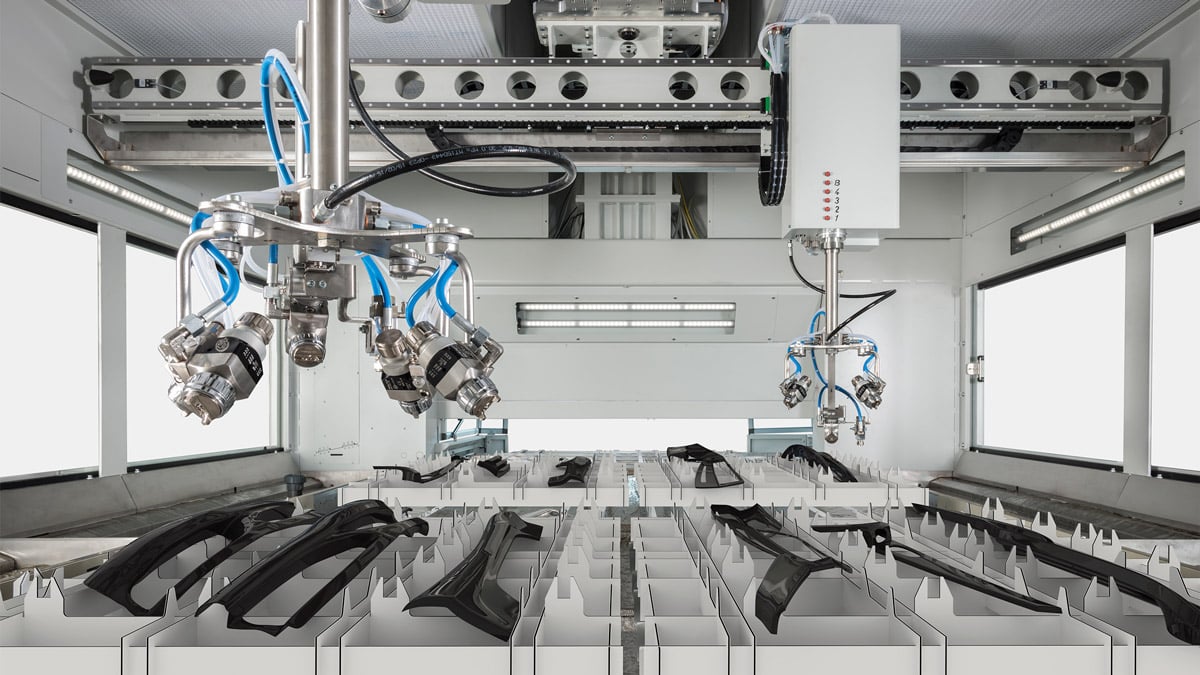
Automatic spray coating systems represent a significant advancement for all companies, regardless of the sector, seeking increasingly innovative finishing techniques. As the name suggests, these are systems that use automation and data analysis to apply paints, protective materials, and other coatings with precision and efficiency.

Choosing these solutions correctly is essential for organisations aiming to achieve high-quality finishes and improve operational efficiency. The reasons are numerous: firstly, automatic spray coating systems minimise human error. A traditional approach, based on manual techniques, can lead to inconsistencies and unevenness in coating thickness, structure, and finish quality.

In traditional coating methods, variability can arise from factors such as technique, speed, and environmental conditions. Automated systems, instead, reduce these issues thanks to robotics and advanced control systems that maintain stable parameters throughout the process. Operational stability is essential not only for aesthetics, but also for functional performance. Irregular coatings can actually cause problems such as corrosion, wear, and premature deterioration. Moreover, automation increases production without compromising the output quality.

For this reason, the growing demand for high-quality and long-lasting finishes makes investing in automatic spray coating systems a strategic priority for any manufacturer.


THE MOSTI INNOVATIVE FINISHING SOLUTIONS
Discover the most advanced finishing solutions to boost competetiveness.


Key technologies and components

The effectiveness of automatic spray coating systems depends on the integration of various technologies and components that work together to optimise all process phases. At the heart of these ecosystems is robotics: precision and repeatability are essential to ensure high-quality results. Robotic arms can be equipped with self-programming features and specific patterns, ensuring that every centimetre of the surface is evenly coated, regardless of shape or size.

Of course, the mechanism could not function without sensors that monitor in real time the essential parameters for proper process operation, such as temperature, humidity, and coating thickness. The sensors allow immediate adjustments during every processing phase.

Control software is also an integral part of the system, including those based on IoT systems and Industry 4.0 principles to collect and analyse data, supporting operators in performance monitoring and process optimisation over time. Thanks to what interconnected machines and systems enable, line managers enjoy greater visibility into operations, improving decision-making and supply chain resilience.

By leveraging these synergies, manufacturing companies can reach previously unthinkable efficiency levels, reducing downtime and cutting operational costs.

industrial software interface

Benefits and advantages of automatic spray coating systems

The adoption of automatic spray coating systems brings numerous benefits. The first and most obvious is increased productivity. Automated systems operate continuously, ensuring that output quality is not affected by fatigue or the variability typical of human work. This translates into faster delivery times and greater uniformity in the final product, enabling companies to compete with a reliability that many competitors cannot offer.

Equally important, these systems improve management of the consumables inventory and reduce material waste during processing. By precisely controlling the amount of coating applied, machines minimise overspray and eliminate dripping, common side effects in manual techniques

Uniformity in coating application is essential, especially for products that require specific quality standards, as in certain vertical sectors. Automatic spray coating systems can maintain consistent coating thickness, reducing the risk of defects

Additionally, safety is another important benefit: by reducing the need for manual handling of hazardous materials and exposure to volatile organic compounds, automated systems lead to safer and healthier working environments.

Applications in the main manufacturing sectors

Automatic spray coating systems are being used in an increasing number of industrial sectors, also thanks to digital transformation. Each sector can benefit from these technologies, customising them to meet specific quality and production requirements.

In the aerospace sector, for instance, these systems are essential for applying lightweight and durable coatings, capable of withstanding extreme conditions. Automatically applied coatings ensure each component is treated uniformly, a key factor for aircraft safety and performance.

The automotive industry has also been leveraging the advantages of automated systems for years, achieving high-gloss finishes and protective coatings on vehicles, in compliance with strict safety and durability standards.

In the furniture industry, automatic coating technology enables the rapid application of high-quality finishes on wood or composite surfaces, improving the appearance and lifespan of products while reducing labour costs.

Beyond these more traditional sectors, areas such as electronics and construction are increasingly turning to automated spray coating solutions to improve their finishing processes.

IGIOTTO machine detail

Advanced coating solutions from Cefla Finishing

For years, Cefla Finishing has stood out internationally as a leader in the development of automatic spray coating systems. With a constant focus on precision, customisation and flexibility, we have developed a complete range of tailored solutions to meet the specific needs of various manufacturing sectors.

Cefla Finishing systems are designed to enhance operational efficiency and increase the economic and environmental sustainability of coating lines, while ensuring high-quality finishes.

Cefla’s strengths lie in its ability to integrate cutting-edge technologies such as advanced robotics and intelligent software, enabling operators to easily set up spray programmes and monitor production parameters in real time. These capabilities not only improve the quality of the finish, but also help to reduce waste, making the production process increasingly sustainable.

Future trends in automated spray coating

With our innovative solutions, we have a strong focus on the future, aiming to anticipate the trends that are shaping the landscape of automated spray coating systems. Among the most interesting developments is the implementation of artificial intelligence (AI) platforms along the value chain. These systems, thanks to advanced algorithms and databases, will be able to dynamically optimise production processes, further reducing material waste.

Another key aspect is the evolution of automatic spray coating systems in the context of Industry 4.0. As manufacturing becomes smarter, the ability to connect coating systems with other production processes will be essential for more efficient workflow management. Only by harnessing new forms of connectivity will it be possible to achieve improved overall process management.

Whatever the future challenges, one thing is certain: we are ready to support companies with ever-innovative solutions and expertise.


LOOKING FOR THE IDEAL SOLUTION FOR YOUR COATING LINE?


Automatic spray coating systems represent a significant advancement for all companies, regardless of the sector, seeking increasingly innovative ...

Article

How industrial digital printing is taking hold of the finishing sector and why


Industrial Digital Printing is above all highly flexible, suitable for any substrate. A technology that allows you to deliver a just-in-time service, eliminating substantial stock requirements.

A finishing technique that enables a high degree of customisation, as unique as you want. A solution that we as experts can integrate into your finishing line, supporting you in the choice of inks, print settings and line parameters.

Creating impactful decorations using metal coils

One specific area that concerns industrial digital printing in which Cefla Finishing has pioneered recent developments is related to metal coils, steel for example. Combining our expertise with a partner company responsible for several continuous cycle plants for surface treatment and processing of flat-rolled products in ferrous and non-ferrous metals, we are qualified to provide a turnkey solution using our roll-to-roll, single-pass industrial digital printing equipment.

The beauty of decorated steel coils is not limited to their beautiful appearance. Applications in countless sectors are possible, from urban installations to building exteriors, household appliances to shopping mall interiors, sidings, garage doors, applications in sectors such as nautical, retail, logistics, etc. The list is long.

Benefits of industrial digital printing

Industrial digital printing brings concrete and immediate advantages: maximum production flexibility, the possibility of creating a wide variety of designs without minimum quantity constraints, and even the freedom to print different patterns in sequence, responding quickly to market demands.

Adopting this technology means taking a step towards the future of finishing: instead of large standardised batches, tailor-made, customised production in line with the new demands of customers and designers.

Our experience enables us to accompany you through every stage of this transition, integrating digital printing into a complete finishing line that includes roller coating, handling, drying and much more. This will allow your company to reap all the benefits of digitalisation, reducing complexity and start-up times.

Art-Stampa-Coils-IMG1

J-PRINT SP R2R combined with a coil handling solution

A single-pass machine that is perfect for continuous printing using UV inks, equipped with industrial printing heads, J-PRINT SP R2R operates at high speeds and prints at a high resolution, combining quality with productivity. Running across rollers in humpback formation, the coils are printed using up to 8 different colour bars with 8 channels including haptic inks, standard YRCK and 3 protective varnish channels. Coil thickness lies between 0.25 and 1.60 mm and the maximum coil width reaches 1550 mm.

Production speeds vary according to the configuration and ink set, but the system runs at rates of up to max. 60 metres/minute. Optimal print quality is also achieved thanks to our proprietary software that compensates for what are known as “missing nozzles”, and the printing heads are cleaned automatically.

WANT MORE DETAILS ON ROLL-TO-ROLL DECORATION OF STEEL COILS?


Industrial Digital Printing is above all highly flexible, suitable for any substrate. A technology that allows you to deliver a just-in-time service, ...

Article

What makes industrial digital printing a good solution for flooring?

Floor decoration and digital printing: a combination that is still seldom used in the finishing sector but has enormous potential. As we know, floors can be challenging surfaces to work with. Industrial digital printing technologies provide manufacturers with valuable support by delivering high-quality, customised products able to withstand foot traffic. This last aspect is particularly relevant, as abrasion resistance is regulated by international standards that define the compliance of each product.

What does digital printing mean for flooring?

Firstly: why install an industrial digital printing machine? Let's start by saying that industrial digital printing is a versatile, innovative floor decoration solution. It allows the application of designs, motifs and images directly on the flooring materials.

The technology doesn’t just guarantee an ultra-high resolution printing process: it also reproduces vivid colours and complex details, allowing businesses and property owners to decorate their surroundings with unique images.

Whether used to create high-impact graphic design in retail areas, personalised patterns in residential interiors or branding elements in corporate offices, digital printing for floors can, in combination with tried and tested finishing technologies and innovative texturing technologies, produce durable, high-quality finishes that withstand foot traffic and long-term wear.

Furthermore, compared to traditional solutions, industrial digital printing is more sustainable as it wastes less material and allows manufacturers to change the design without having to resort to lengthy plant set-up procedures. 

THE MOST INNOVATIVE FINISHING SOLUTIONS
Discover how highly advanced finishing solutions can sharpen your competitiveness.

How digital printing on floors is performed

Where used in floor-making processes, industrial digital printing is part of a rather complex production process. In general, the perfect surface finishing cycle involves six-steps:

  • Sealing (in the case of MDF) or adhesion enhancement (for plastic substrates)
  • White layers
  • Digital printing
  • Wear layer
  • Textured layer
  • Finishing layer.

What are the advantages of digital printing for floors?

Digitally printed floor decoration offers a series of advantages: from large-scale batch customisation to high output rates, from excellent aesthetic quality to the ultra-fast conversion of ideas into finished products, plus the ability to reproduce natural materials with precision. Let’s now explore the topic in more detail.

High levels of customisation

Unlike traditional techniques - which involve cumbersome set-ups and have limited design capabilities - digital printing lets manufacturers create unique, customised designs that respond to customers’ specific needs. This is particularly advantageous in the flooring industry, where consumer preferences are shifting towards ever-wider colour ranges and high-definition patterns and textures that seek to replicate natural materials such as wood or stone.

Sustainability and waste reduction

In general, industrial digital printing helps make production processes more sustainable. Traditional printing methods often waste considerable amounts of ink and material, especially during design changeover, set-up and cleaning tasks. Digital printing, instead, uses only the quantities of ink and materials needed for each job, significantly reducing waste.

Cost efficiency

Compared to traditional methods, industrial digital printing technology may require a higher initial investment outlay but the long-term savings will be substantial. Less waste, minimised set-up times and simplified production processes all help reduce operating costs. What’s more, the ability to perform short production runs lessens the financial risk for manufacturers who want to test new designs or products on the market.

High-quality results

Digital printing technology is synonymous with high resolution and precision. This ensures floor designs are rendered with the utmost clarity and detail. The depth of colour and precision of the intricate patterns enhance overall final product quality, meeting the needs of an increasingly demanding market that wants both high-grade aesthetics and durability.

Simplified workflows and easy integration

Another advantage of digital printing in floor finishing is that it can be integrated into existing workflows with ease. Advanced digital printing systems can be incorporated seamlessly into production processes, minimising downtime and interruptions: a crucial factor for a better-organised production line which, in turn, delivers tip-top efficiency and streamlines communication between the design and production teams.

Improved durability and performance

Industrial digital printing technology delivers tangible advantages not just aesthetically but also in terms of finished product performance. Manufacturers can, in fact, rely on digital inks that are designed to be more durable and more resistant to fading and other environmental factors. This means that floors finished with digitally printed designs maintain their original appearance and integrity over time, offering lasting value to consumers and businesses.

Inherent flexibility and time savings

A key advantage of this technology is its exceptional flexibility in response to changing market trends. Even with small batches - which require frequent set-ups - the ability to adjust the lines quickly saves time and resources, minimising the stock of semi-finished products.

Durability: a key factor

As mentioned, resistance to foot traffic is a crucial factor when selecting a floor finishing solution. The risk of surface deterioration is particularly high in areas such as hotel foyers, corridors, offices, showrooms, schools and retail outlets where there is a constant flow of people.

In these cases, flooring durability is regulated by the EN 15468 and EN 13329 standards that apply to laminate flooring.

Coating products that are used in combination with the industrial digital printing process and are intended for the flooring sector must comply with abrasion resistance class AC5 (hotel halls, corridors, offices). Moreover, more and more coatings employed in combination with industrial digital printing fall, in full, within ‘class of use 33’ for areas with intense foot traffic (large offices, shops).

This is why Cefla Finishing, in designing digital printing solutions for floors, has carried out and passed all the tests required by the regulation, in compliance with AC4 and AC5 (Abrasion Criteria) standards for digitally printed products.

Practical digital printing applications for floors

The floor-making process is largely designed to meet the needs of the market for indoor products, most of which are used in retail and residential construction projects.

Nevertheless, specific applications for outdoor flooring surfaces also exist: for example, decking is ideal for those who need to set up showrooms or trade fair stands, public areas with high levels of pedestrian traffic or shared open-air areas in residential and hotel settings.

Inks for digital printing of floors: organic vs inorganic

Note, however, that the type of ink used in the digital printing process needs to be selected with care as consumables, in fact, determine the long-term aesthetic quality and durability of the flooring.

Organic pigmented inks, for example, tend to fade. Outdoors, colours tend to deteriorate during the first two years of exposure to natural light unless special anti-UV coatings are applied.

Fortunately, inorganic inks with metal oxide pigments - which will remain virtually unaltered by light for more than ten years - can be used.

So, while organic pigmented inks are perfect for indoor use (and certain outdoor areas if adequately protected against UV damage), inorganic pigmented inks are a good choice for outdoor applications, such as decking.

Innovations in digital printing for flooring

Lastly, industrial digital printing improves floor finishing processes by employing highly innovative techniques. Just think of texturing. By producing surfaces with dense relief patterns or tiny marks, texturing completes the sensory experience from both tactile and visual standpoints. This is crucial for success on the décor market, where the goal is to obtain prints that realistically reproduce natural materials.

In short, thanks to digital printing, the only limits are those posed by your imagination.

LOOKING FOR THE IDEAL COATING LINE SOLUTION?


Floor decoration and digital printing: a combination that is still seldom used in the finishing sector but has enormous potential. As we know, floors ...

Article

LIGNA 2025: Cefla's Innovations for Wood Coating

The LIGNA 2025 trade fair, scheduled from May 26 to 30 in Hannover, reaffirms its position as a key event in the woodworking and surface finishing industry. With a wide range of innovations, this year’s edition aims to meet the market’s increasingly pressing demands.

LIGNA 2025: a Special Edition celebrating its 50th Anniversary

The 2025 edition of LIGNA will be especially significant for the wood industry, as the trade fair celebrates its 50th anniversary. An anniversary we at Cefla Finishing share, having been a permanent exhibitor since the very first edition. This milestone event promises to be extraordinary—not only due to the occasion, but also because of the high level of participation.

According to Christian Pfeiffer, Senior Vice President Sales at Deutsche Messe AG, over 1,200 exhibitors are already confirmed, occupying a total exhibition area of 112,000 square metres. This represents a strong sign of commitment in a challenging economic context, highlighting LIGNA’s role as a key event for the industry.

Once again, the trade fair will maintain its strong international character, with around two-thirds of exhibitors and over 50% of expected visitors coming from abroad.

Italy, in particular, continues to see LIGNA as the primary launch pad into international markets. The confirmed presence of leading companies such as Cefla Finishing brings with it major innovations—more necessary than ever in today’s market.

The Three Key Themes of LIGNA 2025

The 2025 edition will revolve around three main themes, reflecting the sector’s current challenges and opportunities:

  1. LIGNA.CONNECTIVITY – focusing on digital integration for increasingly interconnected production
  2. LIGNA.SUSTAINABLE PRODUCTION – centred on strategies for a more sustainable industry
  3. LIGNA.ENGINEERED WOOD – dedicated to new solutions for engineered wood materials

These central themes underscore LIGNA’s commitment to addressing the industry’s most urgent issues—from digitalization to circular economy—by offering concrete solutions for companies of all sizes, from small craft businesses to large industrial groups.

The importance of LIGNA 2025 for the Finishing Industry
LIGNA 2025 is shaping up to be an unmissable event for the wood coating sector, offering an unparalleled showcase of the latest innovations and technologies.

The trade fair will place special emphasis on surface finishing technologies, with an entire hall (Hall 17) dedicated to this segment—and Cefla Finishing front and centre at stand F45.

Visitors will be able to explore the latest coating solutions, set to revolutionize the industry in terms of efficiency, sustainability, and the quality of the finished product.

For professionals in the field, LIGNA 2025 will represent a unique opportunity to engage with the latest trends, discover new application techniques, and understand how innovation in coating can help improve both product quality and production efficiency.
For this reason, Cefla is offering free tickets to attend the event.

Discover Cefla Finishing at LIGNA and get your Free Entry Pass

Request your ticket

Cefla Finishing’s Innovations at LIGNA 2025

Cefla Finishing is set to amaze visitors to LIGNA 2025 with a range of brand-new innovations, aimed at transforming the sector. Our goal is to blend efficiency, sustainability, and quality.

Values such as sustainability, productivity, flexibility, simplicity, consistency, responsiveness, and precision are at the heart of the innovations we’ll showcase. These principles have driven our R&D efforts, enabling companies to enhance both production processes and final product quality.

Each week leading up to the trade fair, we’ll unveil a previously unreleased innovation on our social channels. If you haven’t already, follow Cefla Finishing on LinkedIn, Facebook, Instagram, and X.

Stay tuned for exclusive previews—and to see them live, make sure to claim your LIGNA ticket now.

Networking Opportunities: Events you won’t want to miss at the trade fair

Attending LIGNA 2025 isn’t just about discovering the latest market innovations, it’s also an opportunity to forge new partnerships and strengthen existing ones. For Cefla’s extensive, international team—made up of specialists and technicians—LIGNA is a unique occasion to meet all stakeholders, as well as potential new partners.

Some of these partnerships will also fuel the events hosted at Cefla Finishing’s booth. Our Speaker Corner will feature presentations and talks by partners throughout the fair.

Combined with informal networking moments that naturally arise during the event, these activities make LIGNA 2025 a must for anyone in the woodworking industry. Meeting experts, exploring new partnerships, and engaging with global peers makes visiting the fair—and our booth—a valuable investment for your professional and business future.

Challenges and Opportunities for the Wood Industry: a glimpse into the future

LIGNA 2025 is also a moment for strategic reflection on the challenges ahead for the wood industry. Key issues include adopting more sustainable practices, adapting to climate change (which affects raw material availability and quality), and responding to the growing demand for customized, high-value products.

At the same time, technological innovation and digitalization bring new opportunities. Sustainability continues to be a key pillar for the future of the sector, with a growing emphasis on circular economy models and resource efficiency.

Companies are being called to rethink their production processes, transforming current challenges into opportunities for renewal and growth—thanks in large part to the technological innovation led by Cefla Finishing.

Discover More and get your Free Entry Pass to LIGNA

Request your ticket

The LIGNA 2025 trade fair, scheduled from May 26 to 30 in Hannover, reaffirms its position as a key event in the woodworking and surface finishing ...

Load more articles

Articles: 12 / 156