Magazine

Industrial digital printing

Article

How industrial digital printing is taking hold of the finishing sector and why


Industrial Digital Printing is above all highly flexible, suitable for any substrate. A technology that allows you to deliver a just-in-time service, eliminating substantial stock requirements.

A finishing technique that enables a high degree of customisation, as unique as you want. A solution that we as experts can integrate into your finishing line, supporting you in the choice of inks, print settings and line parameters.

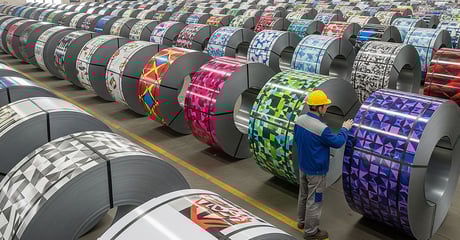
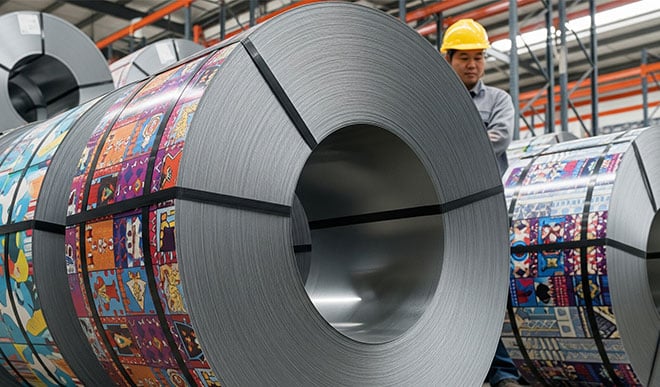
Creating impactful decorations using metal coils

One specific area that concerns industrial digital printing in which Cefla Finishing has pioneered recent developments is related to metal coils, steel for example. Combining our expertise with a partner company responsible for several continuous cycle plants for surface treatment and processing of flat-rolled products in ferrous and non-ferrous metals, we are qualified to provide a turnkey solution using our roll-to-roll, single-pass industrial digital printing equipment.

The beauty of decorated steel coils is not limited to their beautiful appearance. Applications in countless sectors are possible, from urban installations to building exteriors, household appliances to shopping mall interiors, sidings, garage doors, applications in sectors such as nautical, retail, logistics, etc. The list is long.

Benefits of industrial digital printing

Industrial digital printing brings concrete and immediate advantages: maximum production flexibility, the possibility of creating a wide variety of designs without minimum quantity constraints, and even the freedom to print different patterns in sequence, responding quickly to market demands.

Adopting this technology means taking a step towards the future of finishing: instead of large standardised batches, tailor-made, customised production in line with the new demands of customers and designers.

Our experience enables us to accompany you through every stage of this transition, integrating digital printing into a complete finishing line that includes roller coating, handling, drying and much more. This will allow your company to reap all the benefits of digitalisation, reducing complexity and start-up times.

Art-Stampa-Coils-IMG1

J-PRINT SP R2R combined with a coil handling solution

A single-pass machine that is perfect for continuous printing using UV inks, equipped with industrial printing heads, J-PRINT SP R2R operates at high speeds and prints at a high resolution, combining quality with productivity. Running across rollers in humpback formation, the coils are printed using up to 8 different colour bars with 8 channels including haptic inks, standard YRCK and 3 protective varnish channels. Coil thickness lies between 0.25 and 1.60 mm and the maximum coil width reaches 1550 mm.

Production speeds vary according to the configuration and ink set, but the system runs at rates of up to max. 60 metres/minute. Optimal print quality is also achieved thanks to our proprietary software that compensates for what are known as “missing nozzles”, and the printing heads are cleaned automatically.

WANT MORE DETAILS ON ROLL-TO-ROLL DECORATION OF STEEL COILS?


Industrial Digital Printing is above all highly flexible, suitable for any substrate. A technology that allows you to deliver a just-in-time service, ...

Article

What makes industrial digital printing a good solution for flooring?

Floor decoration and digital printing: a combination that is still seldom used in the finishing sector but has enormous potential. As we know, floors can be challenging surfaces to work with. Industrial digital printing technologies provide manufacturers with valuable support by delivering high-quality, customised products able to withstand foot traffic. This last aspect is particularly relevant, as abrasion resistance is regulated by international standards that define the compliance of each product.

What does digital printing mean for flooring?

Firstly: why install an industrial digital printing machine? Let's start by saying that industrial digital printing is a versatile, innovative floor decoration solution. It allows the application of designs, motifs and images directly on the flooring materials.

The technology doesn’t just guarantee an ultra-high resolution printing process: it also reproduces vivid colours and complex details, allowing businesses and property owners to decorate their surroundings with unique images.

Whether used to create high-impact graphic design in retail areas, personalised patterns in residential interiors or branding elements in corporate offices, digital printing for floors can, in combination with tried and tested finishing technologies and innovative texturing technologies, produce durable, high-quality finishes that withstand foot traffic and long-term wear.

Furthermore, compared to traditional solutions, industrial digital printing is more sustainable as it wastes less material and allows manufacturers to change the design without having to resort to lengthy plant set-up procedures. 

THE MOST INNOVATIVE FINISHING SOLUTIONS
Discover how highly advanced finishing solutions can sharpen your competitiveness.

How digital printing on floors is performed

Where used in floor-making processes, industrial digital printing is part of a rather complex production process. In general, the perfect surface finishing cycle involves six-steps:

  • Sealing (in the case of MDF) or adhesion enhancement (for plastic substrates)
  • White layers
  • Digital printing
  • Wear layer
  • Textured layer
  • Finishing layer.

What are the advantages of digital printing for floors?

Digitally printed floor decoration offers a series of advantages: from large-scale batch customisation to high output rates, from excellent aesthetic quality to the ultra-fast conversion of ideas into finished products, plus the ability to reproduce natural materials with precision. Let’s now explore the topic in more detail.

High levels of customisation

Unlike traditional techniques - which involve cumbersome set-ups and have limited design capabilities - digital printing lets manufacturers create unique, customised designs that respond to customers’ specific needs. This is particularly advantageous in the flooring industry, where consumer preferences are shifting towards ever-wider colour ranges and high-definition patterns and textures that seek to replicate natural materials such as wood or stone.

Sustainability and waste reduction

In general, industrial digital printing helps make production processes more sustainable. Traditional printing methods often waste considerable amounts of ink and material, especially during design changeover, set-up and cleaning tasks. Digital printing, instead, uses only the quantities of ink and materials needed for each job, significantly reducing waste.

Cost efficiency

Compared to traditional methods, industrial digital printing technology may require a higher initial investment outlay but the long-term savings will be substantial. Less waste, minimised set-up times and simplified production processes all help reduce operating costs. What’s more, the ability to perform short production runs lessens the financial risk for manufacturers who want to test new designs or products on the market.

High-quality results

Digital printing technology is synonymous with high resolution and precision. This ensures floor designs are rendered with the utmost clarity and detail. The depth of colour and precision of the intricate patterns enhance overall final product quality, meeting the needs of an increasingly demanding market that wants both high-grade aesthetics and durability.

Simplified workflows and easy integration

Another advantage of digital printing in floor finishing is that it can be integrated into existing workflows with ease. Advanced digital printing systems can be incorporated seamlessly into production processes, minimising downtime and interruptions: a crucial factor for a better-organised production line which, in turn, delivers tip-top efficiency and streamlines communication between the design and production teams.

Improved durability and performance

Industrial digital printing technology delivers tangible advantages not just aesthetically but also in terms of finished product performance. Manufacturers can, in fact, rely on digital inks that are designed to be more durable and more resistant to fading and other environmental factors. This means that floors finished with digitally printed designs maintain their original appearance and integrity over time, offering lasting value to consumers and businesses.

Inherent flexibility and time savings

A key advantage of this technology is its exceptional flexibility in response to changing market trends. Even with small batches - which require frequent set-ups - the ability to adjust the lines quickly saves time and resources, minimising the stock of semi-finished products.

Durability: a key factor

As mentioned, resistance to foot traffic is a crucial factor when selecting a floor finishing solution. The risk of surface deterioration is particularly high in areas such as hotel foyers, corridors, offices, showrooms, schools and retail outlets where there is a constant flow of people.

In these cases, flooring durability is regulated by the EN 15468 and EN 13329 standards that apply to laminate flooring.

Coating products that are used in combination with the industrial digital printing process and are intended for the flooring sector must comply with abrasion resistance class AC5 (hotel halls, corridors, offices). Moreover, more and more coatings employed in combination with industrial digital printing fall, in full, within ‘class of use 33’ for areas with intense foot traffic (large offices, shops).

This is why Cefla Finishing, in designing digital printing solutions for floors, has carried out and passed all the tests required by the regulation, in compliance with AC4 and AC5 (Abrasion Criteria) standards for digitally printed products.

Practical digital printing applications for floors

The floor-making process is largely designed to meet the needs of the market for indoor products, most of which are used in retail and residential construction projects.

Nevertheless, specific applications for outdoor flooring surfaces also exist: for example, decking is ideal for those who need to set up showrooms or trade fair stands, public areas with high levels of pedestrian traffic or shared open-air areas in residential and hotel settings.

Inks for digital printing of floors: organic vs inorganic

Note, however, that the type of ink used in the digital printing process needs to be selected with care as consumables, in fact, determine the long-term aesthetic quality and durability of the flooring.

Organic pigmented inks, for example, tend to fade. Outdoors, colours tend to deteriorate during the first two years of exposure to natural light unless special anti-UV coatings are applied.

Fortunately, inorganic inks with metal oxide pigments - which will remain virtually unaltered by light for more than ten years - can be used.

So, while organic pigmented inks are perfect for indoor use (and certain outdoor areas if adequately protected against UV damage), inorganic pigmented inks are a good choice for outdoor applications, such as decking.

Innovations in digital printing for flooring

Lastly, industrial digital printing improves floor finishing processes by employing highly innovative techniques. Just think of texturing. By producing surfaces with dense relief patterns or tiny marks, texturing completes the sensory experience from both tactile and visual standpoints. This is crucial for success on the décor market, where the goal is to obtain prints that realistically reproduce natural materials.

In short, thanks to digital printing, the only limits are those posed by your imagination.

LOOKING FOR THE IDEAL COATING LINE SOLUTION?


Floor decoration and digital printing: a combination that is still seldom used in the finishing sector but has enormous potential. As we know, floors ...

Article

Turning concrete into attractive flooring slabs with cutting-edge finishing technologies

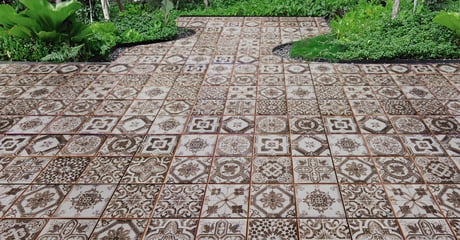
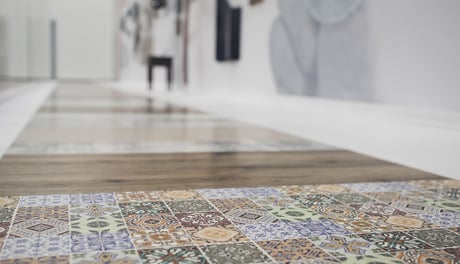
Resistant, versatile and a cost-effective solution, concrete can be used as a long-lasting alternative to any other flooring, whether indoor or outdoor. But if you are thinking of dull grey slabs that look suited to a factory floor or polished concrete flooring that may be ideal for large interior environments, then take a close look at the photograph in this article.

Personalised decorative designs can be achieved for small or large volumes, resulting in impactful flooring for spaces that deserve greater aesthetic value without losing the resistant qualities of concrete.

Diverse techniques for decorating concrete

Concrete has many qualities: durability, versatility, its cost is limited and it offers satisfactory thermal isolation. There are several ways to finish concrete, implementing a polished non-slip surface, making it watertight with epoxy resins, using acid or water-based stains, and industrial digital printing. While monochrome finishes can be achieved on standard finishing machines, a custom design or pattern is easy to obtain using a digital printer. This finishing process is perfect if you need to decorate small surfaces: a patio, a hotel foyer, a school.

CalcestruzzoIMG

Benefits of industrial digital printing

Beyond its ability to generate personalised patterns, imitating marble or natural stones as well as wood is possible. You can also reproduce a digital image such as a photograph or be fully creative and design your own decoration. The coating applied to protect the pattern generated by an inkjet printer will also provide an abrasion-resistant surface and will withstand UV ageing to keep your colours vivid for many years.

Not just flooring

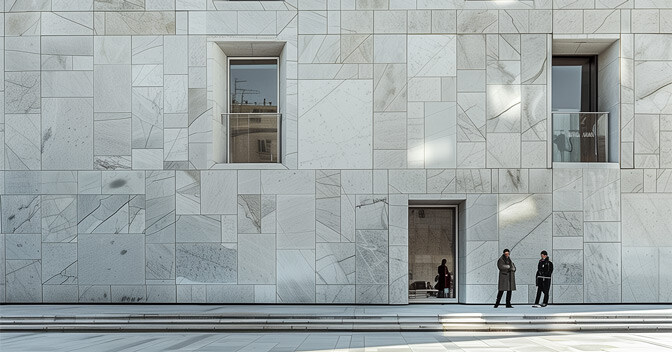
Of course, there is no reason why a concrete panel cannot be used to cover a vertical surface. This means that even interior walls or exterior facades can be decorated and customised using an industrial digital printer.

For more ideas and information on our solutions, contact us and speak to a finishing expert.

Resistant, versatile and a cost-effective solution, concrete can be used as a long-lasting alternative to any other flooring, whether indoor or ...

Article

Why choose an industrial digital printing machine?

 
Today, anyone looking to produce high-performance, affordable, attractive furniture and furnishing accessories simply has to have an industrial digital printing machine
End consumers, in fact, have increasingly high expectations, so finished products need to guarantee the highest quality, which also means resistance to abrasion and scratches. On the other hand, coating and finishing trends are generating new ‘cross-contaminations’ and material mixes, so those manufacturers who can leverage flexibility (i.e. respond quickly to changing trends) will be the ones to gain the greatest competitive advantage in this scenario.
But how best to combine aesthetics, practicality and strength while delivering a multiplicity of opportunities, even with small batches? What’s needed is an integrated, comprehensive, flexible solution. That’s why, today, an industrial digital printing machine should be central to coating processes, not just on furniture, furnishing components and frames, but also edges, skirting boards and profiles.  

More specifically, introducing an industrial digital printing machine delivers 5 key advantages:
  • Flexibility in the face of changing aesthetic trends and fashion
  • Less time, less stock and fewer semi-finished goods are needed
  • Less equipment is required on your production line
  • Fast line set-ups and a rapid response to market demand
  • A highly customised, high-quality, durable product range
 

Which industries benefit the most from installing a digital printing machine?

It should come as no surprise that industrial digital printing technology is currently in the spotlight across multiple manufacturing sectors. Entrepreneurs all over the world are discovering its potential in their specific fields: and those who have yet to adopt it risk being left behind. 
Wood, plastic, packaging, metal, ceramic, fibre cement: digital printing can be used on a vast range of materials to create new outlets and open up new frontiers, all thanks to the flexibility and customisation provided by industrial digital printing machines.  
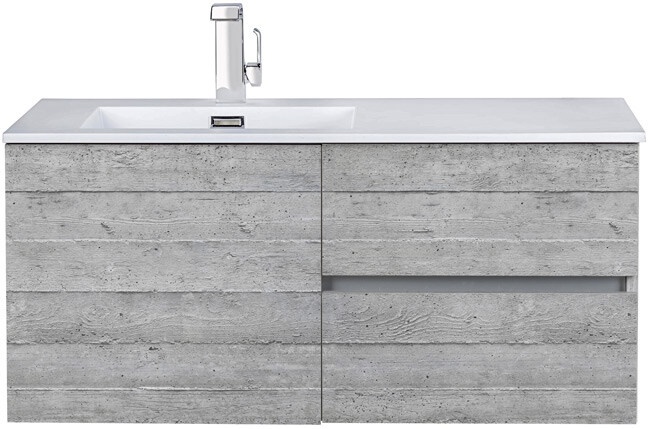
For example, this solution is particularly appreciated by furniture makers, door and window manufacturers and companies that provide wall linings and floorings, yet also producers of plastic, aluminium and fibre cement skirting boards, profiles and sidings/claddings.

Industrial digital printing machine: a major advantage in the furniture sector

For furniture manufacturers in particular, an industrial digital printing machine lets them:

  • Program production of panels, furniture components, doors and floors in an extremely competitive, flexible manner.
  • Reduce stock of both finished and pre-finished products, and equipment.
  • Quickly produce edges that perfectly reproduce the patterns of the panels to which they will be applied.
  • Produce skirting boards/profiles with outstanding flexibility, reproducing the patterns present on the floors to which they will be coupled.
  • Produce sidings or claddings and decorate them, allowing you to make, ever-more economically, modular solutions on building sites, products that are highly appealing and suitable alternatives to other types of coverings.

Such opportunities translate into three clear advantages of digital printing in the manufacturing sector. To be specific, installing an industrial digital printing machine in the company lets you:

  1. Obtain flexible, increasingly competitive production cycles.
  2. Respond quickly to aesthetic/fashion trends thanks to the fast set-up of the various lines.
  3. Produce aesthetically appealing, economically sustainable products.
Lavandino_1577042755_652

Selecting the most suitable industrial digital printing machine

Individual companies have their own specific needs and requirements. This depends not just on the markets where they operate, but also their own entrepreneurial and strategic decisions. This is why it’s essential to choose an industrial digital printing machine with characteristics that are consistent with your aims.
The best choice? Go for a highly configurable product and set it up to match your business goals. 
And that’s exactly what you can do in the Cefla Finishing Lab, an ‘innovation incubator’ that creates a customised vision... and the solution to match. In the Imola facility - as in Charlotte, USA, and Tianjin, China - customers and industrial partners can personally run dozens of tests on new products. They can test the latest technologies and verify the performance of the proposed machines via in-the-field trials, allowing them to identify the configurations that best suit their needs.

This Cefla Finishing service means that, even before purchasing an industrial digital printing machine, potential buyers can:

  • Assess their own needs
  • Define the available budget
  • Compare the different technologies
  • Evaluate the technical characteristics of the machines

J-Print SP and the other Cefla digital printing solutions 

Cefla Finishing customers looking to focus on advanced digital printing can count on several solutions, the most representative of them perhaps being J-Print SP.

This series of single-pass printers integrates seamlessly with all Cefla Finishing machines and systems for the coating/decoration of various materials, from wood and its derivatives to ceramic, fibre cement, plastic and glass.

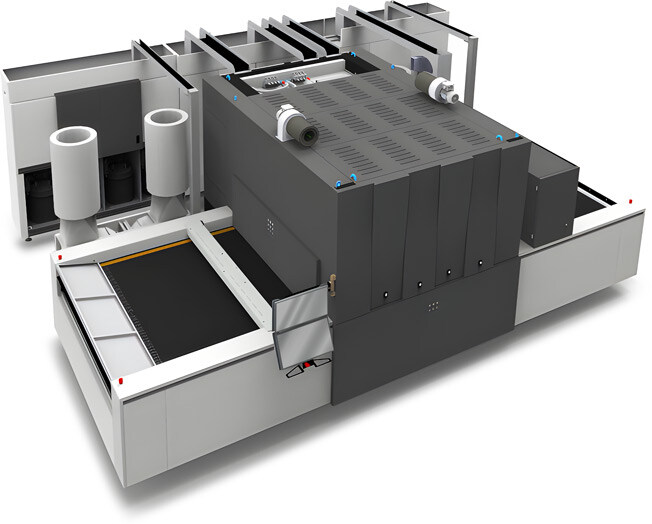
Equipped with industrial print heads, J-PRINT SP can deliver UV-curable inks and is designed for integration into either fully digital or hybrid single-pass printing environments. The modular print bars can be configured up to virtually unlimited print widths. The adopted technology lets J-PRINT SP operate at speeds of 50 linear meters per minute and more.

RENDER-SP-1800--8C-UV_652

Why choose Cefla Finishing?

There are, therefore, several reasons for turning to Cefla Finishing when looking for an industrial digital printing machine. Cutting-edge, constantly-evolving solutions, decades of experience serving a global clientele and plenty of scope for product customisation are, in fact, crucial success factors when it comes to assessing and deciding on a strategic partner.

But that’s not all: Cefla Finishing provides an additional service component that makes the range unique.
Cefla is, in fact, ready to:

  • supply a complete line, from preparation of the bare substrate to the decorated, finished product.
  • fine-tune the complete technological process, from reception of the original samples to be reproduced to worker training.
  • provide customers with close support so they can acquire the expertise and experience needed to prepare the definitive print files.

Choosing Cefla Finishing, therefore, doesn’t just mean purchasing a cutting-edge solution. It also means gaining an understanding of the most advanced skills on the market and having the opportunity to put then into practice for your business. 

Talk to one of our experts to find out how we can help you achieve your goals


Today, anyone looking to produce high-performance, affordable, attractive furniture and furnishing accessories simply has to have an industrial ...

Article

If digital printing is on your wish list, we’ll help you put it on your shopping list.

If digital printing is on your wish list, we’ll help you put it on your shopping list.

Industrial digital printing solutions are increasingly popular in response to rapidly evolving market demands, especially for flooring specialists. Suited to all floor surfaces, furniture and skirting to glass, laminates or plastics, digital printing techniques enable exciting alternatives and we will be showcasing our latest digital printer at our LAB.

Standing out from the crowd is easy when you have access to some of today’s most innovative digital printing technologies. Ready for you to see and feel thanks to our J-PRINT TD printer, which will be running throughout the trade show, countless embossed surface samples produced before your eyes will persuade you to believe in the huge potential this technology offers for individualisation together with high output rates.
 
Haptic effects and EIR (Embossing In Register) 

J-PRINT TD, performs embossing in register (EIR) and is specially conceived to produce incredibly realistic haptic effects providing tactile feedback. Performed with a resolution of 400 dpi and speeds reaching 50 m/min. the printer uses special inks, ensuring the same surface resistance as you would expect from any high-quality flooring.
 
Whether it’s wood, MDF or cork, you can digitally print and emboss with exceptional 3D quality. Our digital printing solutions will enable you to enter a new dimension in the world of surface finishing, the third dimension.

Check out our digital printing and texturization solutions

Want to know how quickly in the specific case of your company? Contact a Cefla expert and visit the Cefla Finishing Lab to experience, first-hand, all the solutions and technologies that help reduce energy consumption in your finishing processes.

If digital printing is on your wish list, we’ll help you put it on your shopping list. Industrial digital printing solutions are increasingly popular ...

Article

Certified wear resistance to foot traffic


How can you offer a highly customised, high quality and durable product?

A spotlight on the advantages of digital printing for flooring.

When it comes to flooring, issues related to deterioration caused by foot traffic mean that use and abrasion performance are critical factors in the choice of a floor.

Laminate and parquet floors have always been among the most popular choices in home renovations. Their aesthetics, formats and wear resistance make these two floor types highly suitable for customisation, achieved thanks to industrial digital printing processes, and for meeting use and abrasion resistance requirements.

More specifically, the products used in the industrial digital printing process, intended for the flooring industry, meet the requirements of the abrasion resistance class AC5 (hotel halls, hallways, offices).

In addition, more and more paints and inks used in industrial digital printing fully qualify for the class of use 33, relating to high traffic areas (larger offices, stores).

Use class and abrasion class are closely linked and taken into consideration together when choosing a floor.

In general, textile floor coverings, and direct printing elements with resin top layers must meet the specifications, requirements and test methods currently regulated by EN 15468:2016.

In particular, the tests required to simulate the abrasive effect of foot traffic, from "falling sand" to "Taber", also include tests with aluminium oxide, in addition to the already known sandpaper test, making them even more realistic.

Since September 2019, we have also been expected to comply with different regulations to meet the requirements of China and the United States relating to laminates or surfaces with direct printing and polymer coating (EN13329) ("Taber test"). In relation to this standard, we have achieved AC4 and AC5 ratings with some different cycle specifications, currently being verified by our customer.

Learn more about our Industrial Digital Printing solutions 

How can you offer a highly customised, high quality and durable product? A spotlight on the advantages of digital printing for flooring. When it ...

Load more articles

Articles: 6 / 17