Magazine

Wrapping

Article

Machines for profile wrapping: applications, technologies, and advantages

Profile wrapping machines are becoming essential tools for manufacturers aiming to achieve a dual result: improving the aesthetics and increasing the durability of their products. The technologies and applications revolving around this technique, after all, continue to increase, generating tangible benefits especially for the furniture sector and, more generally, for woodworking.

What is a wrapping machine?

A profile wrapping machine is specialised equipment designed to apply decorative and protective materials to profiles usually made of wood, MDF and composite materials.

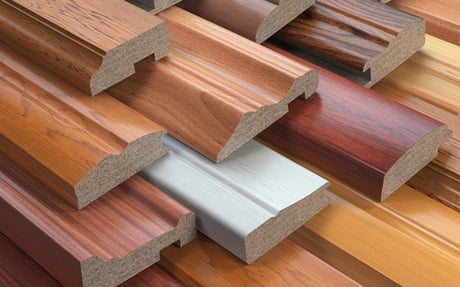
More specifically, we are talking about automatic machines that use various types of adhesives and a wide range of thin materials (such as vinyl, paper and laminate) to wrap edges and corners. This produces a surface finish that enhances the visual appearance and also extends the product's life cycle by protecting it from potential chemical and physical damage. The profile wrapping technique can be applied to a multitude of components and semi-finished products including mouldings, cabinet doors, furniture frames and other everyday items.

How profile wrapping technology works

The technology behind profile wrapping is based on principles of precision mechanical engineering. It could not be otherwise, given that a uniform application of all materials involved in the process is needed to ensure an optimal result.

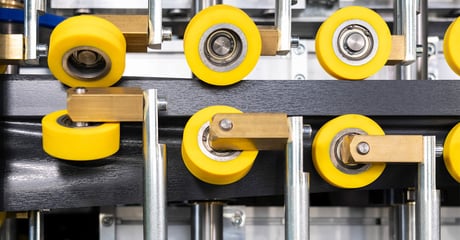
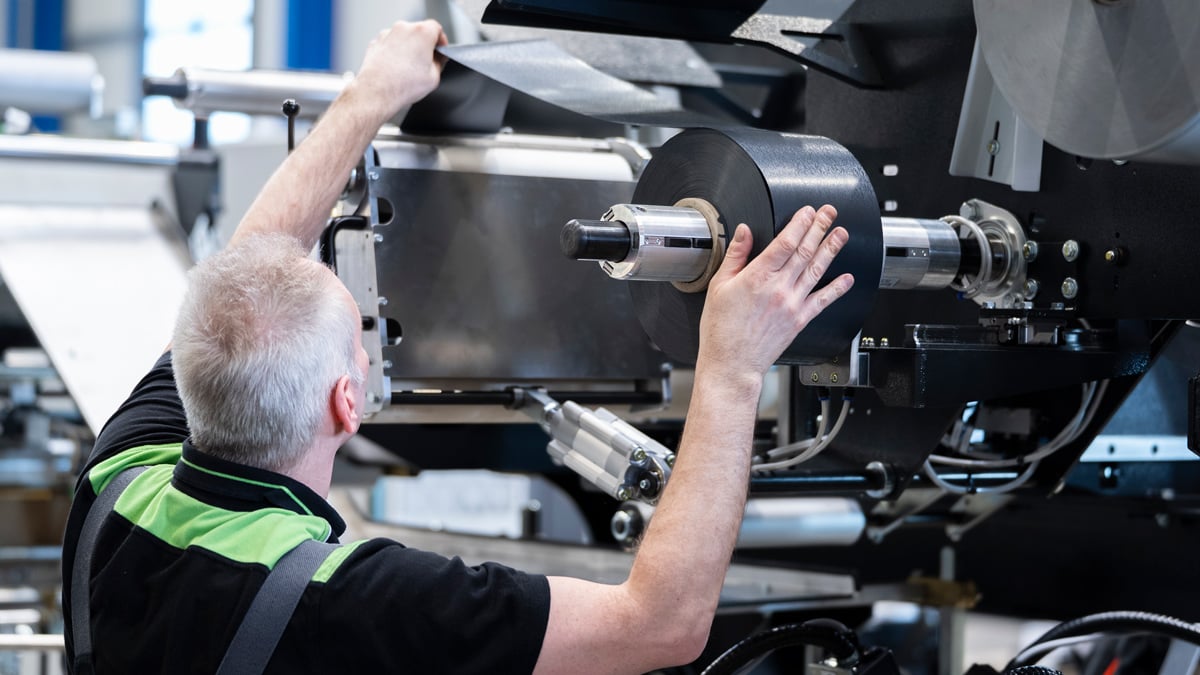
Each profile wrapping machine usually works by feeding a profile through a series of rollers and adhesive application units. The process begins with surface preparation and cleaning, followed by the application of the adhesive that best meets the needs of the specific use case.

The wrapping material is then fed over the profile, where it is carefully wrapped and pressed into place, ensuring perfect adhesion. This mechanism, once automated, allows for high-speed processing and consistent quality, which makes it ideal for high-volume production environments.
Cefla-Finishing_Duespohl_02-2025_High_524

Wood profile wrapping process

Naturally, the operation is part of a more complex supply chain. The wood profile wrapping process begins with the selection of the appropriate material and adhesive, which can vary based on the desired finish and the end use of the product.

Once prepared, the profile is fed into the machine, where the adhesive is applied uniformly. Finally, the wrapped profile undergoes a quality control check to ensure it meets industry standards before being packaged for shipment.

What has just been described can be considered a standard process. If carried out with the right parameters, it is extremely efficient and minimises waste, maximising productivity.

Advanced profile wrapping technologies

With a view to meeting increasingly specific needs, recent years have seen a continuous refinement of profile wrapping technologies. Profile wrapping machines have significantly increased their capabilities, incorporating advanced functions.

These start with automatic material feeding, which are increasingly being supplemented by real-time process monitoring systems and integrated cutting solutions. These innovations, acting in synergy, not only simplify complex wrapping operations but also improve the precision of the output. Furthermore, there is a drastic reduction in downtime with a lower number of products failing quality control.

The new generation of machines is capable of wrapping complex shapes and profiles, which allows manufacturers to diversify their offerings and satisfy even the most demanding customers.

DISCOVER THE MOST ADVANCED FINISHING SOLUTIONS
Elevate your competitive edge.


Decorative wrapping solutions for profiles

But, when it comes to innovation in profile wrapping machines, another element is of greater interest. The latest solutions are able to integrate highly versatile decorative techniques, which expand the range of results achievable with this technology.

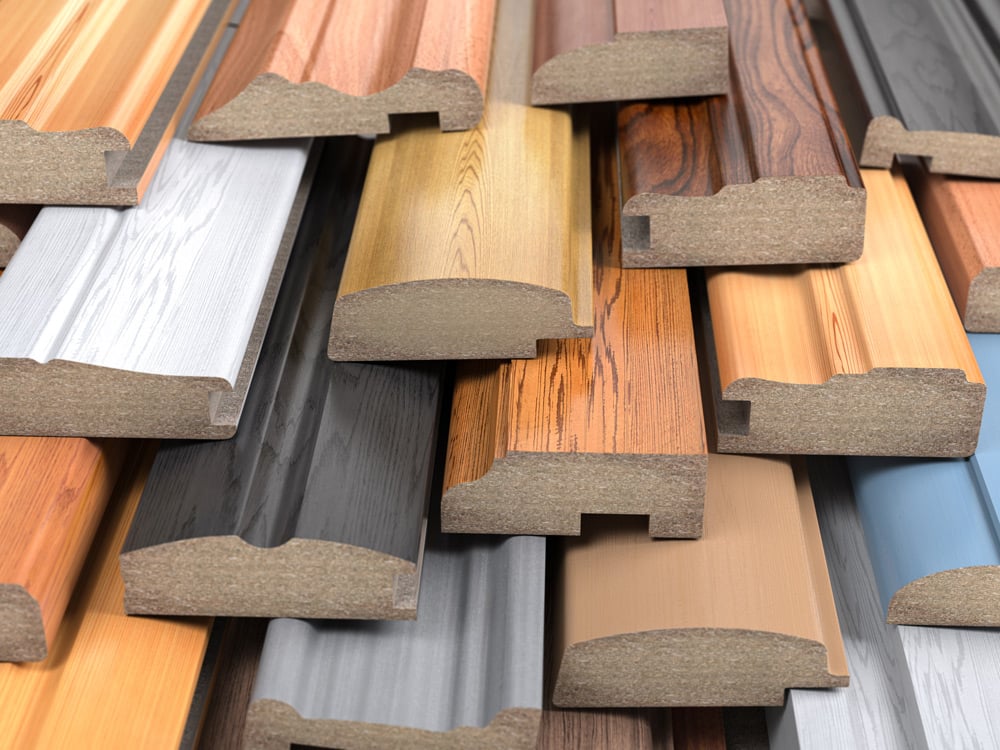
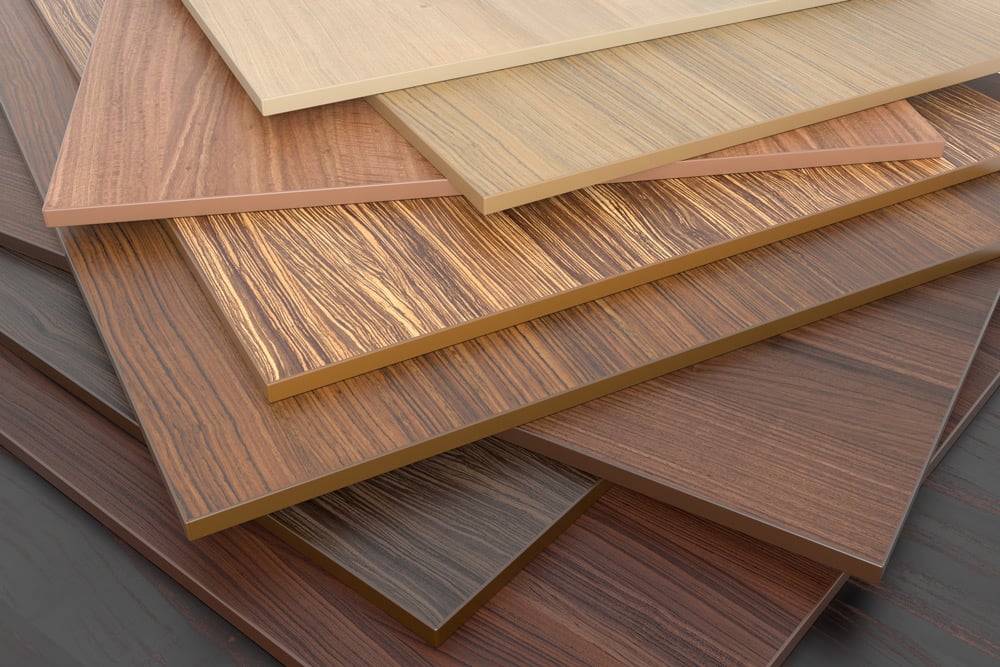
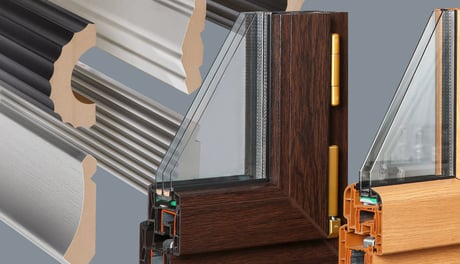
Indeed, operators today have the real possibility of choosing from a wide range of materials, colours and textures (including wood grains and other natural patterns, bright colours and even metallic finishes) and applying them to various types of profiles without substantially altering the production process.

The aesthetic improvement guaranteed by the wrappings is not limited to giving profiles greater appeal. It increases their perceived value, transforming the tactile and visual properties of the wrapping material into marketing tools. Therefore, manufacturers today have an extra ace up their sleeve to entice their customers.

Profile wrapping for furniture components

It is therefore no coincidence that profile wrapping machines are finding so much space in the woodworking and furniture industry. A quality wrapping makes it possible to seamlessly integrate components made of different materials, while a uniform finish helps to achieve a cohesive look among the various pieces that make up an item of furniture. Nor should one underestimate the fact that more sophisticated and elegant designs are accompanied by new qualities of durability and resistance.

These are fundamental factors that determine the quality of particularly exposed components, such as cabinet doors, drawer fronts and table edges. Thanks to the application—via new wrapping techniques—of highly effective protective layers, finished products can now be protected from scratches, moisture, UV damage and other environmental factors like never before.

Industrial profile wrapping: advanced functions

A wrapping machine is designed to meet the needs of large-scale production facilities. Speed, efficiency and reliability are, after all, the watchwords for companies that are always trying to respect the delicate balance between high volumes and high quality. But as those in the industry know well, ensuring speed, efficiency and reliability means, first and foremost, reducing machine downtime to a minimum.

Advanced features and software with advanced controls are a response to this challenge. But that's still not enough. Many wrapping or covering processes require the use of specific glues, which entails an increase in costs and energy consumption. The goal is therefore to decrease this need through technologies that allow the right amount of adhesive to be weighted for each application.

The integration of Industry 4.0 principles moves in this very direction, making it possible to constantly optimise even this type of process as new operations are implemented. This results in a significant reduction in energy and material consumption.
Duespohl-MultiWrap-Window

Wrapping solutions and machines designed by Cefla Finishing

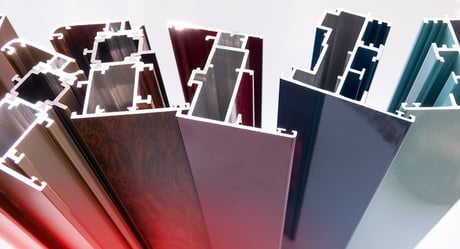
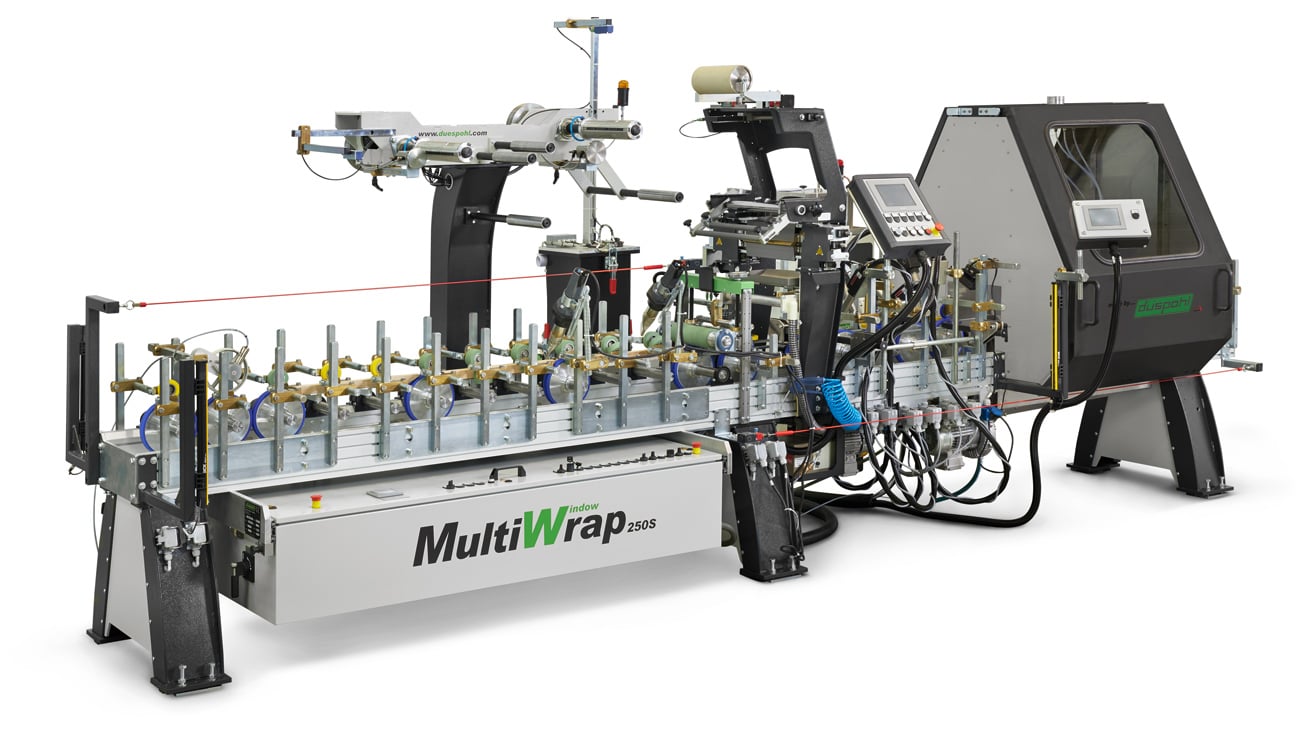
Among the most advanced wrapping machines on the market, capable of catalysing all the prerogatives just described into a single line, are the solutions from Cefla Finishing and Düspohl (Cefla's brand specialising in wrapping solutions). Through these two offerings, we provide our customers with the best of technologies and know-how for wrapping wood, plastic and aluminium profiles.

First and foremost, our wrapping machines are equipped with the patented Click-Fix system, which enables wrapping rollers to be changed without the use of other equipment. The transport rollers are also adapted to the process, fixing themselves automatically, thanks to a grid system.

The melters on Düspohl and Cefla machines enable a continuous refilling process without needing to stop production, also minimising glue waste, which is applied to each wrapping in the exact quantities needed to ensure the optimal result. Not a drop more, not a drop less.

Moving up the range, the RoboWrap solution is equipped with a computerised system for the automatic measurement of the geometry and diameter of each individual pressure roller after the wrapping process. RoboWrap is thus able to consider the wear of the pressure rollers and manage the process dynamically, to ensure reliable results even during long production cycles. All components of each of the machines designed and manufactured by Cefla Finishing or Düspohl are also continuously updated and optimised.

The goal is to reduce profile changeover times without ever compromising on quality, which must remain a constant. This is an approach that in Düspohl solutions is also expressed through customised configurations, capable of meeting the needs of specific customer projects. In other words, the basic equipment is integrated on a case-by-case basis with components that can increase the productivity and safety of the process in the use cases for which the machine was developed. 

Cefla Finishing's commitment to sustainable wrapping machines.

The focus on maximum efficiency and the correct use of materials is just one of the aspects of the commitment that Cefla Finishing puts into implementing a sustainable business strategy. Also on the profile wrapping machines front, Cefla continues to invest in solutions capable of combining high performance and low consumption with ever-increasing effectiveness.

By integrating frontier technologies, such as the Internet of Things, Big Data Analytics and Artificial Intelligence, Cefla Finishing's designers are already creating a new generation of machines, which through extensive customisation of functionalities will be able to further reduce the impact of wrapping operations.

LOOKING FOR THE IDEAL SOLUTION
FOR YOUR FINISHING LINE?


Profile wrapping machines are becoming essential tools for manufacturers aiming to achieve a dual result: improving the aesthetics and increasing the ...

Article

What does profile-wrapping mean?

What does profile-wrapping mean?

Covering profiles meaning

What does profile-wrapping mean?

​Profile wrapping is a process by which a decorative surface is laminated onto a substrate in linear form.
This is done by means of a profile-wrapping machine.

Why was the process invented?

Several decades before a decorative surface was manually laminated, mainly wood veneer, onto a substrate. The increasing demand for furniture at the beginning of the 60s was the reason profile-wrapping machines were developed. Beyond that the pressure at costs and prices as well as the requirements of the customers regarding the surface design played a substantial role. One of the first such machines was built by Mr. Reinhard Düspohl.


Want to know more about wrapping process?

Andreas Jäger
Sales Director Düspohl Maschinenbau GmbH
LinkedIn profile


What does profile-wrapping mean? Profile wrapping is a process by which a decorative surface is laminated onto a substrate in linear form. This is ...

Article

Wrapping vs lamination: differences and innovations

How can simple materials be transformed into elegant, functional and customised creations? This is one of the most fascinating challenges in the furniture and construction industries. In this article, we will explore two of the key technologies in the decorative finishing sector: wrapping and lamination. These techniques are not only fundamental for aesthetics, but also represent a turning point for operators in the sector, in terms of efficiency and sustainability. So let's find out how the two techniques differ and what the latest technological innovations are that are redefining the possibilities for the industry.

What is wrapping?

Wrapping, or profile covering, is a technique that has revolutionised the way we think about decorative finishes. Imagine being able to coat linear profiles such as wood, PVC or aluminium with high-quality decorative materials. This process, carried out with specialised machines, applies the coating material to the substrate using hot-melt adhesives.

But what are the real advantages that wrapping brings to companies? In addition to cost-effectiveness (coating less valuable materials allows for an excellent aesthetic and functional result at a lower cost), wrapping offers a degree of production flexibility that allows for the application of a wide range of finishes and decorations. Furthermore, modern wrapping lines can reach incredible speeds, up to 110 m/min, ensuring high productivity. And with automation, set-up and format change times are drastically reduced, adapting perfectly even to smaller and customised production batches. It goes without saying that these aspects also affect production costs, and therefore we can define wrapping as a technique capable of perfectly combining quality, flexibility and production efficiency.

WRAP

The role of profile wrapping in customised finishes

Have you ever wondered how some manufacturers manage to respond so quickly to the market's just-in-time demands? Profile wrapping is one of the answers. This technology, as mentioned, makes it possible to create components with a unique and elegant appearance, while maintaining high quality standards and low costs.

The real magic happens thanks to automated systems like RoboWrap from Düspohl - the Cefla brand specialising in wrapping technologies - which allow for very rapid format changes. And this means having a wide range of finishes and customisations, without compromising production efficiency. In short, in a world where customisation is increasingly in demand, modern wrapping technologies guarantee the necessary flexibility, without compromising on quality and durability over time.

A SHORT GUIDE TO PROFILE WRAPPING

What is lamination?

Let's now move on to explore another fundamental technology: lamination. But what is it exactly? Imagine applying a decorative sheet to a flat substrate, using presses or rollers that exert pressure and heat. This, in simple terms, is the process called lamination.

This technique is ideal for treating large flat surfaces. Commonly used materials include melamine sheets, PVC and high-pressure laminates (HPL). Lamination is widely used in the production of furniture and building components, thanks to its ability to ensure uniformity and resistance.

LAMIN

Flat lamination for large-scale production

What is the advantage of flat lamination in large-scale production? This technology is fundamental for managing large production volumes, often exceeding 50 m/min. But it is not just a question of speed.

Flat lamination makes it possible to obtain extremely resistant and durable finishes, which are essential in high-traffic environments or those subject to intense wear. Thanks to advanced pressure and temperature control systems, the entire finishing process becomes fluid and perfectly synchronised, improving efficiency and reducing waste.

Wrapping vs lamination: key applications in manufacturing

A question naturally arises: which of the two technologies should you choose? Wrapping and lamination, while sharing the goal of decorating substrates, are distinguished by their applications and processes.

  • Wrapping is the technique used for finishing linear profiles and components with complex geometries, also adapting to small batches and frequent changes.
  • On the other hand, lamination is used for treating flat and regular surfaces, ideal for mass production of large elements.

Both technologies play a fundamental role in customisation and efficient production.

Feature

Wrapping

Lamination

Material compatibility

PVC, foil, veneer

HPL, melamine, acrylic

Applications

Profiles, decorative panels

Flat panels, large surfaces

Productivity

High flexibility

High-volume production

Cost-effectiveness

Cost-effective for small batches

Ideal for mass production

Materials used in wrapping and lamination

In both wrapping and lamination, the range of materials is vast and varied. Profiles in solid wood, MDF, PVC and aluminium are commonly used as substrates in wrapping, while chipboard and MDF panels prevail in lamination.

And for the coatings? PVC foils, decorated papers and CPL laminates in wrapping; HPL laminates and melamine foils in lamination. Every choice of material or adhesive has a direct impact on the quality and longevity of the finished product.

Innovations in wrapping and lamination

If the choice of materials is important and must be calibrated according to various factors, the choice of machines in the processes is essential and determines not only the quality of production, but the very business success of companies in the sector.

What are the most important innovations in the sector? Systems like Düspohl's RoboWrap in wrapping and the PowerWrap Wide in lamination are redefining the standards of efficiency and versatility. With the integration of AI and machine learning, these technologies not only improve the quality of the work, but also optimise energy consumption, reducing waste.

Sustainability in wrapping and lamination

It is no coincidence that innovations in wrapping and lamination are guiding the industry towards more green practices. In line with this global trend, Cefla Finishing and Düspohl solutions integrate systems aimed at reducing the environmental impact of production processes.

In the field of wrapping, new technologies are allowing for a more efficient use of materials. The precision of adhesive application systems, such as those used in RoboWrap, makes it possible to significantly reduce glue and coating material waste, with a reduction in waste of up to 30% compared to traditional systems. Furthermore, the optimisation of profile change processes reduces downtime and the associated energy consumption.

In the lamination sector, the PowerWrap Wide introduces technologies that allow the use of eco-sustainable materials. These include coatings based on recycled or biodegradable materials and adhesives with low VOC (Volatile Organic Compounds) content. And the impact on sustainability is far from marginal: the adoption of these materials can reduce the process's carbon footprint by up to 40%.

Another area of focus is energy efficiency: new AI-based control systems optimise energy consumption in real time, adapting process parameters to the specific needs of each job. This optimisation can lead to energy savings of up to 25%.

The durability of finished products is another aspect closely linked to sustainability. Advanced wrapping and lamination techniques are producing surfaces that are increasingly resistant to wear and tear, extending the useful life of products and reducing the need for replacement. This translates into lower resource consumption in the long term.

In short, the main focus is on the entire product life cycle: from production, to end-of-life recycling solutions, thanks to techniques that facilitate the separation of materials for recycling. This leads us to reflect on the need to adopt a circular economy approach, collaborating with suppliers and customers to implement systems for the recovery and reuse of waste materials.

These initiatives, promoted by Cefla Finishing through innovative solutions, not only reduce the environmental impact, but also offer economic advantages, demonstrating that sustainability and efficiency can go hand in hand in the manufacturing sector.

Looking to the future

Wrapping and lamination are undoubtedly technologies that are constantly evolving to respond to market challenges and sustainability needs. Looking ahead, a further integration of these technologies with Industry 4.0 is expected, with the incorporation of smart elements in finished products and an ever-increasing digitalisation of production processes.

LOOKING FOR THE IDEAL SOLUTION FOR YOUR COATING LINE?

How can simple materials be transformed into elegant, functional and customised creations? This is one of the most fascinating challenges in the ...

Article

Basic Course in profile wrapping

Basic Course in profile wrapping

Profiles covering

What’s so special about profile wrapping?

Profile wrapping is not only a relatively economic process, it also allows for high output and enables you to offer products with a large range of surfaces including veneer and high-gloss decorations. Running your own profile wrapping line instead of buying ready-made bars offers you a lot of flexibility.

What do you need to start profile wrapping?

Obviously you need a profile wrapping line, but also skilled staff and consumable products like adhesive, foil and maybe primer. The length and width of the line – and thus the space it will occupy - depend on the dimensions and shapes of the work pieces you would like to wrap. Also, the machine will need electric energy and compressed air.

What does a profile wrapping line look like?

Usually, a profile wrapping line consists of an entry zone, a glue application and a wrapping zone. Then, there are additional components like in- and outfeed systems, premelters and separating systems.


Where do I find further information?

We recommend reading the White Paper which gives a comprehensive overview of technical terms and the composition of a profile wrapping line. Any questions left? Contact us. Our Sales Engineers will be happy to help you.


What’s so special about profile wrapping? Profile wrapping is not only a relatively economic process, it also allows for high output and enables you ...

Article

If every profile in the world needed just 5 minutes set-up time for wrapping…

If every profile in the world needed just 5 minutes set-up time for wrapping…

Profiles wrapping RoboWrap

Our experience led us to appreciate that manufacturers of doors, kitchens, furniture and wooden profiles all need a highly flexible system capable of responding quickly to customers' just-in-time demands while maintaining high-quality standards that can be repeated over time. Our latest wrapping technologies shorten machine set-up times when the profile shape changes. Consequently, downtime is reduced and manufacturers can easily respond to customer needs and stay competitive.

We have a large range of profile wrapping machines containing innovative and efficient systems that focus on your productivity, especially when you are faced with frequent requests for customization, leading to small production batches and frequent changeovers.

Relax with RoboWrap!

With its fully robotized mechanisms, allowing profile changeovers to be completed in just 5 minutes, combines limited set-up and maintenance times with high output rates. Now you can relax as we boost your profits through enhanced productivity. Intelligent software analyses the operator's procedure before each set-up process. This enables the machine to obtain the desired wrapping result even with worn or age-deformed pressure rollers.

RoboWrap is the first fully automatic wrapping machine which takes into account the altered shape of the pressure rollers when reproducing a set-up. No matter how much a profile's geometry differs from another, the set-up time (which can take up to 4-6 hours with conventional wrapping machines) has been reduced to a constant 5 minutes. Each RoboWrap is built with an individual configuration depending on the requirements of the specific project. This makes each RoboWrap unique.

Various solutions can be integrated to minimize glue consumption while obtaining a perfect coating result. We develop and produce all components in-house, from the feeding system, pre-melter, and glue application unit through to the separating system. This ensures perfect matching and much less need for maintenance, which is also kept to a minimum, thanks to the extensive durability of the key machine parts.

You could be relaxing for years to come, so be sure to chill out with RoboWrap.

Contact us and discuss your needs with a finishing expert.
Flexibility Profile wrapping Profili Ricopertura Wrapping
Our experience led us to appreciate that manufacturers of doors, kitchens, furniture and wooden profiles all need a highly flexible system capable of ...

Article

Profile changeover: fast, automated, just‑in‑time.

How long does it take you to change profile?

Wrapping technology

Every time you watch RoboWrap getting ready for the next job, you wonder if someone hired a choreographer to define the automated set-up sequence. And that sequence, with its fully robotized mechanisms, allowing profile changeovers to be completed in few minutes, combines limited set-up and maintenance times with high output rates.

No other profile wrapping solution can compare to RoboWrap. It features intelligent software which analyses key factors prior to process set-up. This even takes into account worn or age-deformed pressure rollers and no matter how much a profile's geometry differs from another, the set-up time (which can take hours with conventional wrapping machines) remains a matter of minutes. This cuts downtime. Consequently, any company manufacturing wooden and PVC profiles, with a need for a highly flexible system capable of responding quickly to customers' just-in-time demands, while maintaining high-quality standards, can easily stay competitive.

But there are solutions similar to RoboWrap, representing different levels of investment: PowerWrap, MultiWrap and EasyWrap. In all cases, the process parameters are constantly under control, so at the end of each job, there are no surprises. What is surprising are the high output rates for all wrapping machines.

Furthermore, all wrapping machines by our brand Duspohl simplify your activities with a design concept that is the same as RoboWrap, enabling fewer manual interventions for cleaning, glue application and daily maintenance tasks. This turns into additional time for production on a daily, weekly, monthly basis, boosting productivity and increasing ROI.

On all Duspohl wrapping machines, all components are designed and built in-house, from the feeding system, pre-melter and glue application unit through to the separating system. This ensures perfect matching and much less need for maintenance thanks to the durability of all key parts.

Discover our wide range of profile wrapping technologies here.

Every time you watch RoboWrap getting ready for the next job, you wonder if someone hired a choreographer to define the automated set-up sequence. ...

Load more articles

Articles: 6 / 7