Magazine

Roller coating

Article

Industrial Roller Coating: A Guide to the Most Innovative Technology

In recent years, industrial innovation has revolutionised the concept of surface finishing. Industrial roller coating has established itself as an efficient and versatile technology for companies focused on quality and productivity. This guide explores the advantages, processes, customised solutions, and the latest applications made possible by Cefla Finishing technologies.

What is industrial Roller Coating

Industrial roller coating is an application technology that employs sets of specialised rollers to apply lacquers or other coatings onto different types of substrates. More than a simple technology, it is a method widely used in production processes to ensure uniform, efficient, and high-quality finishes.

The role played by rollers in industrial coating

As the name suggests, the main component of a roller coating machine is the roller itself, a cylindrical tool designed to rotate and transfer the coating material onto surfaces. Rollers can be covered with different materials such as rubber, polyurethane, sponge, or silicone, each chosen according to the specific requirements of the application. Soft rubber rollers, for example, offer excellent elasticity and adhesion, making them suitable for treating irregular surfaces. Polyurethane rollers, on the other hand, provide durability and chemical resistance, particularly when more aggressive lacquers are used.

The operation of industrial roller coating solutions involves a combination of movements aimed at applying the lacquer and pressing it onto the material to be treated. This synergy produces a smooth and uniform finishing layer, though the result may vary depending on several factors. The type of roller coating material and its surface structure significantly influence the final appearance of the workpiece, which may feature glossy, matt, or textured finishes depending on the chosen solution.

Let us now look more closely at the advantages these techniques offer, and how Cefla Finishing’s innovative solutions — starting from soft rollers — help leading players across various industries position themselves on the market with products of impeccable quality.

The main advantages of correctly implementing industrial roller coating

Industrial roller coating is a technique with deep roots in traditional finishing approaches. Significant technological advances in recent years have revolutionised its role, expanding its uses and significantly increasing the efficiency of the machines.

Firstly, new-generation solutions allow uniform application not only on flat objects, but also on complex or irregular surfaces, reducing material waste and ensuring consistent finish quality by eliminating defects typical of traditional techniques, such as streaks or uneven coating layers, which are costly and time-consuming to correct.

Machines in the past were often unable to apply sufficient pressure to panels during coating. Operators were unable to control the process satisfactorily, and the poor quality of the result was only noticeable at the end. In addition, the application heads did not work on poorly calibrated panels or uneven surfaces. Manual cleaning of the machines was also time-consuming and costly.

Today's solutions overcome these limitations, improving operational performance and increasing application speed without sacrificing quality. Faster processing times translate into higher productivity and reduced labour costs.

Last but not least is the issue of sustainability: the new machines reduce VOC emissions and optimise resources, resulting in lower lacquer usage and energy consumption.

THE MOST INNOVATIVE FINISHING SOLUTIONS
Discover the most advanced finishing solutions to boost competetiveness.

The typical industrial roller coating process: the main stages

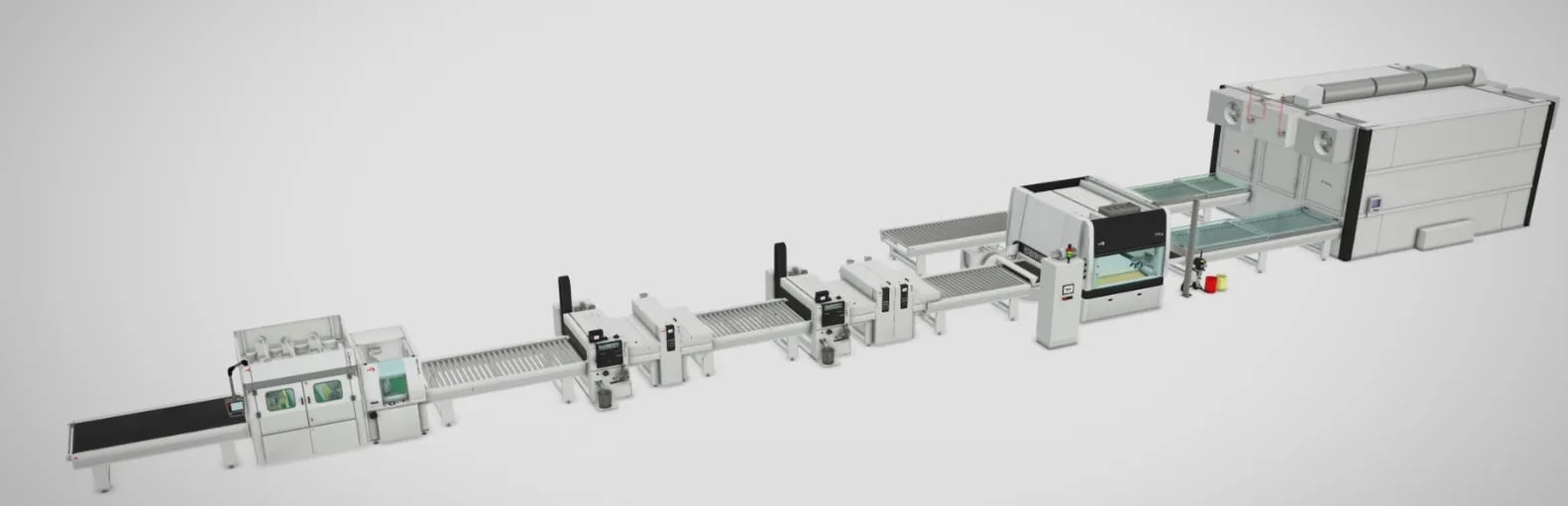
The industrial roller coating process involves several stages, each of which is essential for achieving optimal results. A typical line involves six steps:

  1. Initial analysis and machine configuration: understand the material, surface geometry and coating requirements to set the process parameters.
  2. Surface preparation: this may include sanding, cleaning or applying primer for better adhesion and uniformity.
  3. Coating application using rollers: the product is transferred to the substrate using precisely adjusted and calibrated rollers.
  4. Drying: UV ovens, infrared heaters, or drying chambers cure the paint.
  5. Inspection and quality control: visual and instrumental checks ensure the desired thickness and adhesion.
  6. Delivery: coated components are packaged and prepared for shipment or assembly.

Each stage is crucial: incorrect preparation can compromise adhesion, while inadequate polymerisation can lead to premature wear. A well-orchestrated process ensures a durable finish, optimising production and reducing waste.
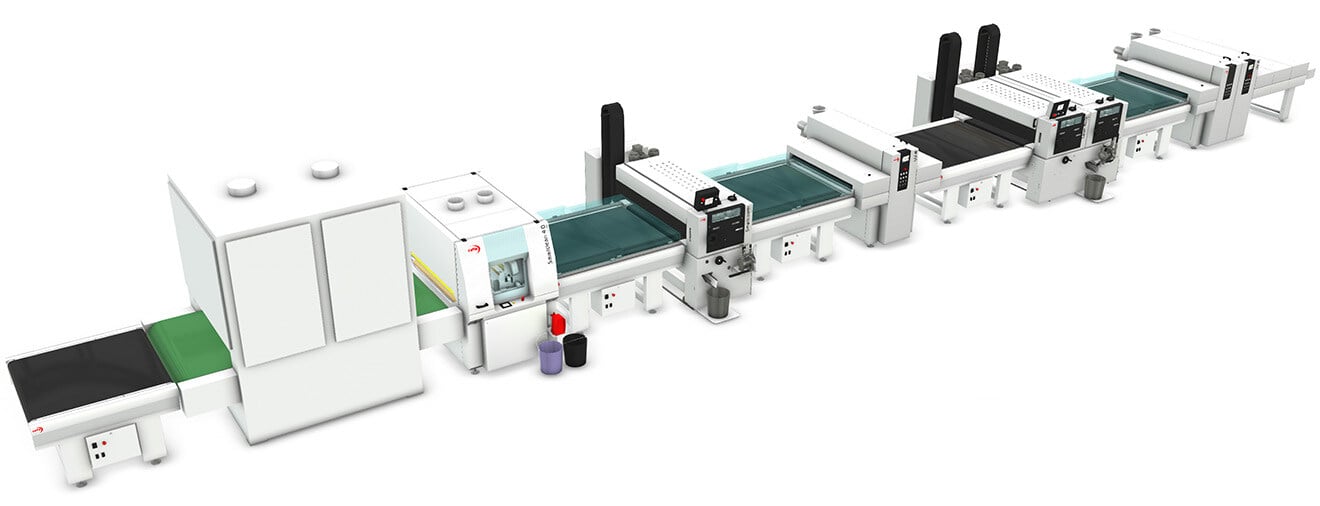
Roller coating line

How to choose the industrial roller coating solution that best suits your needs

Moving from theory to practice means evaluating various parameters and understanding what upgrades to make to your systems. Choosing the ideal industrial roller coating solution requires a comprehensive analysis of multiple factors.

Knowledge of the operating environment is essential. Applications exposed to high temperatures, humidity or chemicals require specific properties in the coating and rollers. The material to be treated (metal, plastic, wood, composites) determines the choice of roller and coatings. Mechanical loads, operating speed and type of finish influence the selection process.

Budget, machine life, maintenance costs and energy requirements also play a role in the choice: modular solutions help to evolve according to needs.

Other technical criteria: system efficiency, low material consumption, compliance with environmental regulations (e.g. low VOC).

Efficiency, ease of use, accessibility and control of the machine process are also fundamental. The user interface must be intuitive even for inexperienced operators, and maintenance/cleaning operations must be quick.

Finally, real-time or remote monitoring should not be overlooked: constant control, intuitive interfaces and easily controllable functions are required.

Cefla Finishing takes care of every aspect of the design of its solutions, helping each customer to maximise efficiency and optimise resources based on real business needs.

Why customised industrial roller coating solutions make the difference

Standard offerings are not always sufficient for complex industrial applications. Customised roller coating solutions allow you to meet specific operational requirements. A customised approach adapts the line to particular materials, surface geometries and environments.

By developing tailor-made solutions, companies gain better control over the application and reduce waste. A customised roller coating system can optimise thickness on delicate (up to 0.3 mm) or intricate surfaces.

Investing in these solutions also means equipping yourself with future-proof technologies: modular systems can be upgraded as production grows through targeted revamping, ensuring sustainability and operational flexibility even in the medium to long term.

Customised solutions are a strategic choice for those seeking operational excellence, cost rationalisation and technological innovation. Cefla Finishing acts as a consultant and partner, not just a technology supplier.
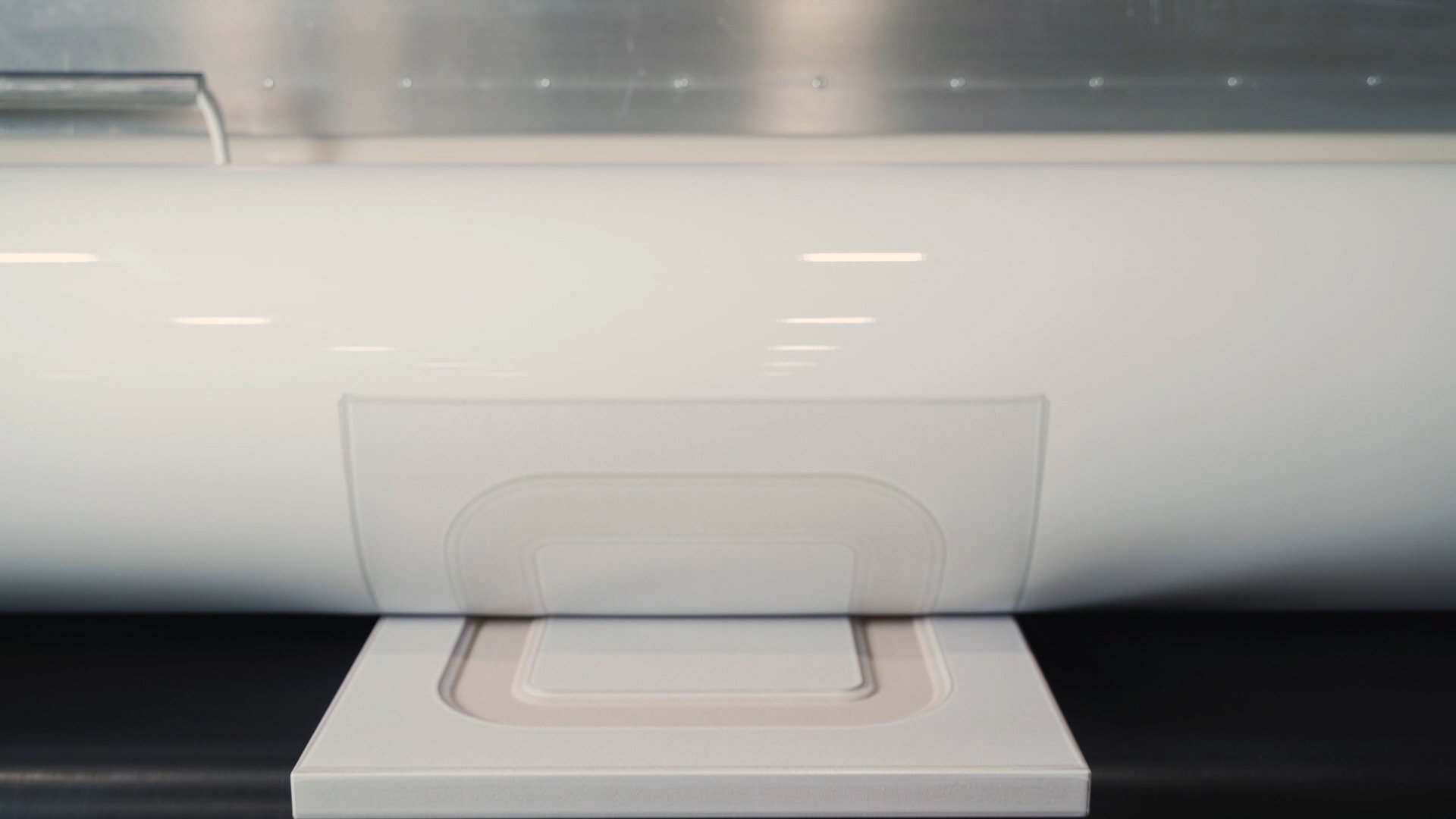
Smartcoater Pro soft roller

Smartcoater PRO: the soft application roller and other innovations that make the difference

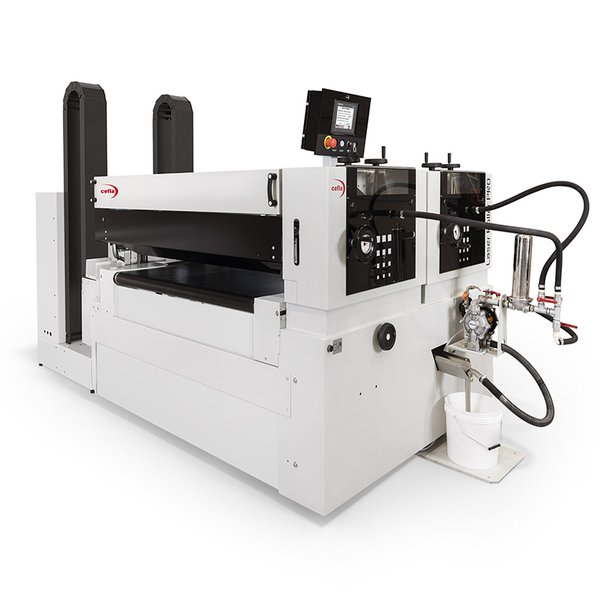
Cefla Finishing's expertise and capacity for innovation are embodied in Smartcoater PRO, the industrial roller coating machine designed to meet the needs of modern finishing lines.

Equipped with four screw jacks for a rigid structure, Smartcoater PRO is able to exert greater constant pressure on the panels. The integrable pneumatic floating system allows lateral movement of the application head, compensating for irregularities or poor panel calibration.

The result is uniform coating and a drastic reduction in waste. Thanks to its soft rubber application roller, Smartcoater PRO can also perform operations such as base coat coating on raised panels with shallow grooves, minimising paint consumption compared to traditional spray application while maintaining precision and speed.

With Smartcoater PRO, hybrid lines can be installed: two roller coating stations and a spray coater for the finishing layer. This offers benefits such as:

  • greater transfer efficiency and reduced paint consumption;
  • reduced solvent consumption and lower emissions;
  • fewer steps in the line, with less risk of product damage;
  • improved production speed and shorter delivery times.

Industrial sectors that benefit from specialised roller coating

Advanced technologies such as Smartcoater PRO are extremely versatile and applicable in many sectors:

In the wood industry, precise coating ensures aesthetics and durability for furniture and accessories. In the steel industry, roller coating allows for protective and decorative applications against corrosion and wear. In printing, paper and packaging, uniform applications guarantee print quality and product protection.

In textiles, roller coating adds water resistance and special textures. The automotive and aerospace sectors are also increasingly using this technology to meet safety and performance standards.

Cefla Finishing offers tailor-made solutions for all these markets, providing its expertise for innovation and customisation at the highest levels.

ARE YOU LOOKING FOR THE IDEAL SOLUTION FOR YOUR ROLLER COATING LINE?


In recent years, industrial innovation has revolutionised the concept of surface finishing. Industrial roller coating has established itself as an ...

Article

New soft roller: hard-core benefits

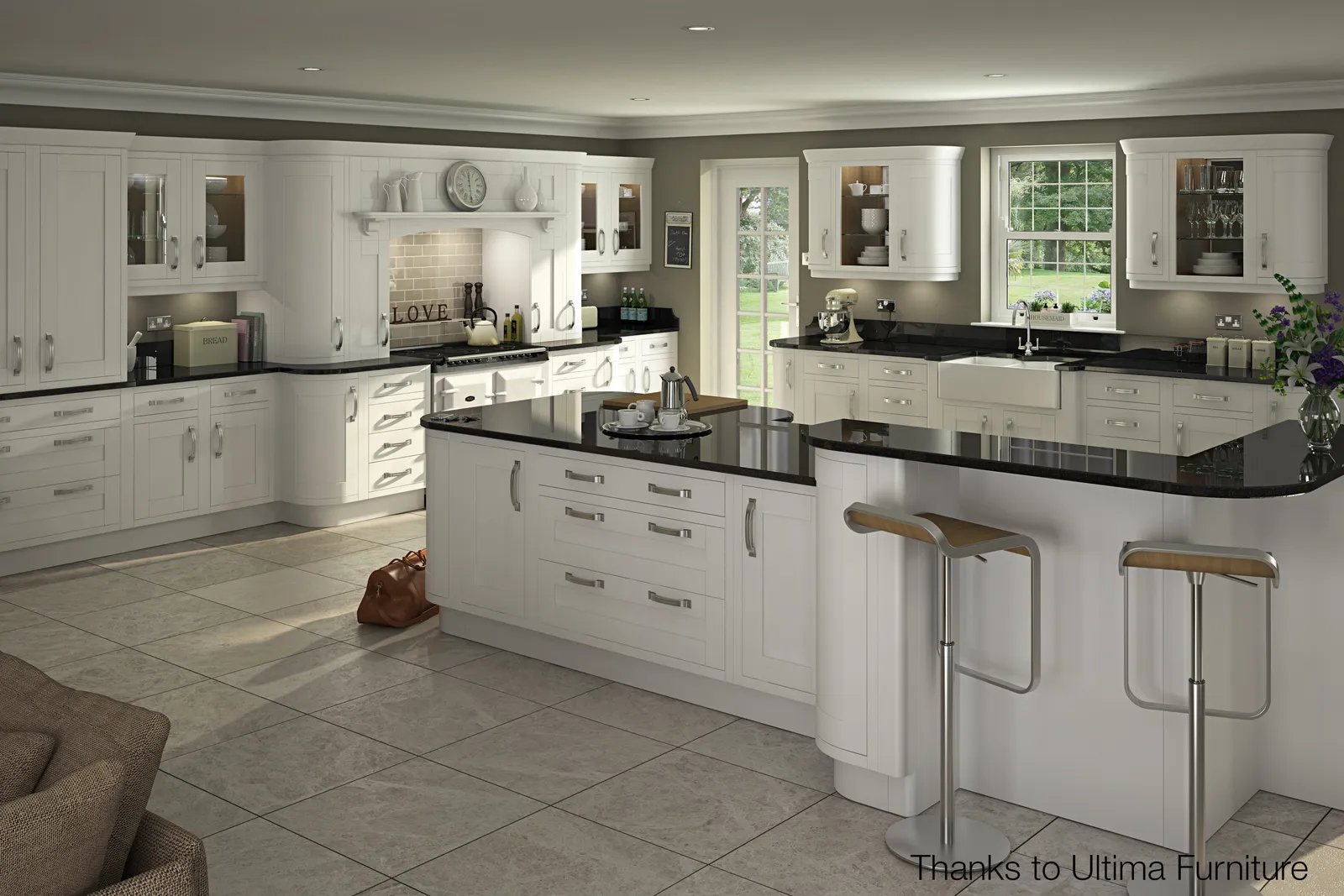
Roller coating technologies have evolved significantly over the last two decades and the recent introduction of a new soft application roller onto the finishing industry’s most advanced roller coating equipment, Smartcoater PRO, has brought about several benefits, enabling companies to achieve important savings especially with regard to the coating of raised panels, such as kitchen cabinet doors.


Smartcoater PRO is built with 4 screw jacks which ensure a rigid, stable structure for the application roller which applies constant, firm pressure to panels transiting through the machine. Thanks to the pneumatic floating system which can be integrated, the application head moves side to side, following irregularities and compensating for poorly calibrated flat panels. This enables coating consistency and reduces the chance of rejects if quality standards are not reached.

Featuring the latest innovation, a soft rubber application roller, Smartcoater PRO acquires even more interesting capabilities: roller coating raised panels.

Smartcoater PRO

The benefits, one by one

Apart from facilitating a continuous production flow without the need to stop for non-calibrated panels, in general terms there are numerous benefits ranging from production capacity and efficiency to reduced costs and environmental benefits.

Until recently, base coats and top coats were applied to raised panels using spray coating equipment. This usually means three-phase coating with sanding operations between the two base coats and manual intervention, loading and unloading at each step of the process.

Thanks to the soft roller on Smartcoater PRO, the coating process for raised panels is shortened. The ability to apply a base coat to grooves up to 10 mm in depth on a raised panel allows companies to install hybrid finishing lines made up of two roller coating stations and a spray coating machine for the top coat. Here are some of the many benefits:

  • transfer efficiency on the roller coaters is superior, thereby reducing lacquer consumption
  • absence of an intermediate sanding operation between base coats means lower operating costs, fewer abrasives, less manual labour connected with this operation
  • with less lacquer consumption comes a drop in solvent consumption, leading to lower emissions as well as lower direct solvent costs
  • fewer passes through the line – just 2 instead of 3 – limits the handling operations which in turn reduces the risks of damage to finished products
  • fewer passes also speed up production and reduce lead times

Production speeds increase in all instances

Whereas base coats for a matt finish may only need one application layer on a roller coater, followed by the spray coater for the top coat, it is advisable to apply 2 layers of the base coat for a glossy finish. This is made possible by using two Smartcoaters in a row on the hybrid line. Whichever scenario, time is reduced either by reducing the number of base coats (matt finish) or implementing consecutive base coat application which applies a second layer prior to the top coat.

Roller coating: sustainability and savings

Of course, it takes more than a soft rubber roller to generate significant savings and increase the overall sustainability of the coating process. The engineering skills and laboratory tests run to investigate all production scenarios have led to a system which is unmatched in terms of its quality and sustainability.

Savings on lacquer consumption range between 3 and 25% in terms of the quantity used (consequently affecting solvent quantity as well) and this represents anything up to 1 euro per square metre.

Less solvent means lower costs, but also leads to a healthier working environment for operators and fewer worries about harmful emissions affecting the planet.

The new level of efficiency also reduces the workload to employees with fewer handling necessities involved.

In conclusion, the soft roller increases production capacity, reduces processing times, saves money and respects the environment.

So soft that it’s hard to beat!

Find out more about our roller coating solutions

Roller coating technologies have evolved significantly over the last two decades and the recent introduction of a new soft application roller onto ...

Article

The most sustainable way to achieve top-quality, high-gloss surfaces

If it weren’t for over 100 lines installed worldwide using our Laser Roller, it would be acceptable to assume that the best way to achieve a glossy surface finish was either using a curtain coater or a spray coating machine. But when we introduced the laser-engraved application roller and fitted it (when required) to our roller coater range, the results revealed a number of benefits. Since then, our customers using the Laser Roller can boast coating quality and above all sustainability.


Benefits of the Laser Roller for high-gloss finishes

Clearly a solution exclusively for flat panels, but of any size according to the roller coating equipment it is fitted to, the Laser Roller applies a large quantity of lacquer (up to 45 g/sqm) without leaving any traces or defects that are found typically on roller coated surfaces. Compared to spray coaters or curtain coaters, the main advantage is that with a Laser Roller you are making a sustainable choice. This technique allows you to use 100% acrylic UV lacquers with only solid residue.

We also do exactly the opposite, so if you are interested in a deep matt finish, please visit this page for full details.

Which substrates can I coat with a Laser Roller?

In addition to wood and its derivatives, substrate materials that are coated using a Laser Roller include PMMA, glass and fibre cement. The high-gloss finish enhances the aesthetic qualities of any substrate and can be achieved with consistent quality and with less environmental impact than most other coating techniques.

Laser Roller – the machine dedicated to high-gloss finishes

More than an engraved application roller, the Laser Roller is also a complete roller coating machine which can be integrated into a finishing line to achieve specifically high-gloss surface finishing. Ensuring top performance, the quality obtained on the Laser Roller equipment is consistently in line with the most demanding objectives for high-gloss finishes.

laser rollerUse our expertise to solve your needs

Cefla Finishing has developed countless solutions using roller coating technologies. These range from innovative roller coating equipment to the Smartcoater PRO which can be equipped to handle slightly raised panels as well as poorly calibrated panels. Together with the laser-engraved application roller, we also fit optional systems to adapt the machinery and the line to your real needs, taking into account your objectives and the products you are handling.

You can even fix an appointment with one of our roller coating experts and visit our laboratory to run tests using your lacquers and your products.

Contact us and our team will examine your requirement.

If it weren’t for over 100 lines installed worldwide using our Laser Roller, it would be acceptable to assume that the best way to achieve a glossy ...

Article

Innovation and sustainability go hand in hand

Innovation and sustainability go hand in hand

Solar panels roller coating

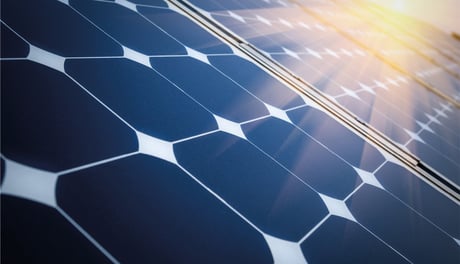
In a green industry which has yet to stop growing (CAGR of over 20% forecast for the coming 5 years) solar panels depend on specially conceived nano coating technologies to ensure maximum performance and efficiency. One key aspect regards the uniformity of an extremely thin layer of anti-reflective coating; we’re talking nanometres. As anti-reflective coatings are expensive, the application needs to be precise and uniform to maintain consumption to what is strictly necessary.

At Cefla Finishing, we have developed a process in our Laboratory which involves a machine applying an extremely thin layer of coating in one single application, the innovative Solarcoater. This machine has been designed to apply liquid coatings or protective layers in tiny quantities than are measured only in nanometres. Following this step, panels are dried in a special oven which adapts perfectly to coatings of almost any chemical composition.

There are a number of ways to resolve the need for solar panel coating. According to your specific needs, our technical experts will devise an economically viable, tailored solution, which aims to achieve your goals in terms of product quality and production efficiency.

Contact us and discuss your needs with a finishing expert.

In a green industry which has yet to stop growing (CAGR of over 20% forecast for the coming 5 years) solar panels depend on specially conceived nano ...

Article

Roller coating technology

Roller coating technology

Furniture roller coating

Today, we focus on roller coating on all flat surfaces. If the panels have flat surfaces that present a sharp edge, the lacquers are normally applied by roller coaters and/or curtain coaters, to obtain finishes with any degree of gloss.

Our customers are demanding innovation. They want to be in control of the process, of performance, versatility of their production line. They demand maximum flexibility for different products and wish to manage the process in terms of productivity and applied lacquer quantities. They opt for easy-to-use equipment, enabling them to see the rollers, the lacquer and the scraper blades.

They are careful to limit consumables, in terms of the amount of lacquer applied and a reduction in solvents used for cleaning, but also by reducing the time required for cleaning operations.

Who we are talking to:
▸ Manufacturers of cabinet doors
▸ Manufacturers of flooring
▸ Manufacturers of doors and panels in general

Materials processed:
▸ Wood and derivatives
▸ Glass
▸ Cork
▸ Plastic
▸ Fibre cement

Benefits:
▸ Optimum flexibility to cope with different needs and performance levels
▸ Automatic systems and controls to manage the coating process
▸ Saving time on cleaning procedures

Find out more about our roller coating solutions.

Today, we focus on roller coating on all flat surfaces. If the panels have flat surfaces that present a sharp edge, the lacquers are normally applied ...

Article

Which is faster: a roller coater or a roller coaster?

Which is faster: a roller coater or a roller coaster?

Quality of roller coating

Which is faster: a roller coater or a roller coaster? The fastest roller coaster in the world travels at 240 km/h. which is nothing compared to the majority of our roller coating solutions.

Moreover, we are also able to ensure the same quality finish as you would expect from a spray coater or curtain coater with the Laser Roller. Firstly, the Laser Roller does not need to reach a height of 52 metres above ground level before accelerating and it does not need to stop and restart every few minutes. As an end-of-line machine, it applies large quantities of lacquer making it suitable for surfaces requiring top-quality finishes.

Just a few of the machine’s characteristics:
✓ application volume in a single pass up to 45 g/sqm
✓ application quality without defects thanks to laser-engraved roller and pressure applied by the new PRO series machines
✓ machine speed up to 60 metres/minute


Roberto Sorbini

Business Line Manager | Roller Coating Technologies

Product development, technologies and machines for roller coating

https://www.linkedin.com/in/roberto-sorbini-94663a13/

Which is faster: a roller coater or a roller coaster? The fastest roller coaster in the world travels at 240 km/h. which is nothing compared to the ...

Load more articles

Articles: 6 / 11