Magazine

Coating technologies

Article

Guide to plastic processing and coating

Plastic processing plays a crucial role in several industrial sectors: polymers make it possible to manufacture parts that are versatile, cost-effective, ergonomic and easy to assemble.

The main techniques used in plastic processing include injection moulding, extrusion, compression and thermoforming, each designed to produce specific shapes and functionalities. Increasingly common is the manufacture of carbon parts obtained by layering sheets inside a mould, followed by an autoclave forming process to achieve the desired component.

Increasingly so, coating is being added to these processes, through which paints or surface treatments are applied to enhance the appearance and performance of plastic items, making them more attractive or resistant to use.

Surface layers and protective coatings increase resistance to environmental factors and the overall longevity of the workpiece, making plastic suitable for an infinite range of uses.

Industrial applications of plastics

The industrial applications of plastics are countless. Often chosen for their unique properties, plastics are used in strategic sectors such as automotive, aerospace and electronics.
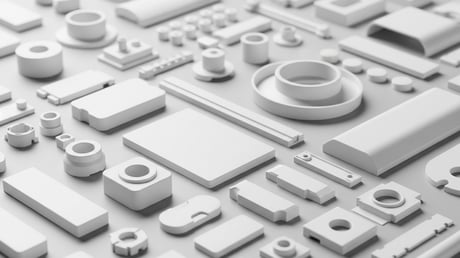
plastic components

Safety and cost reduction: plastics in the automotive industry

In automotive applications, for interior and exterior coatings, injection-moulded plastics allow complex shapes to be created, integrating aesthetics with functionality while keeping operating costs relatively low. Plastics such as polypropylene, polycarbonate, ABS, polyurethanes and their combinations are used to produce components such as bumpers, dashboards and other vehicle parts.

The reasons are twofold: plastic materials not only enable aesthetically appealing parts to be produced, but they also reduce vehicle weight, improve fuel efficiency and reduce emissions, contributing to environmental sustainability and compliance with regulatory standards.

Fuel tanks are often made of high-density polyethylene, which ensures corrosion resistance while being lighter than traditional metal tanks. This choice improves vehicle safety, since plastic tanks are less prone to puncture and can be moulded into more complex shapes to fit specific designs.
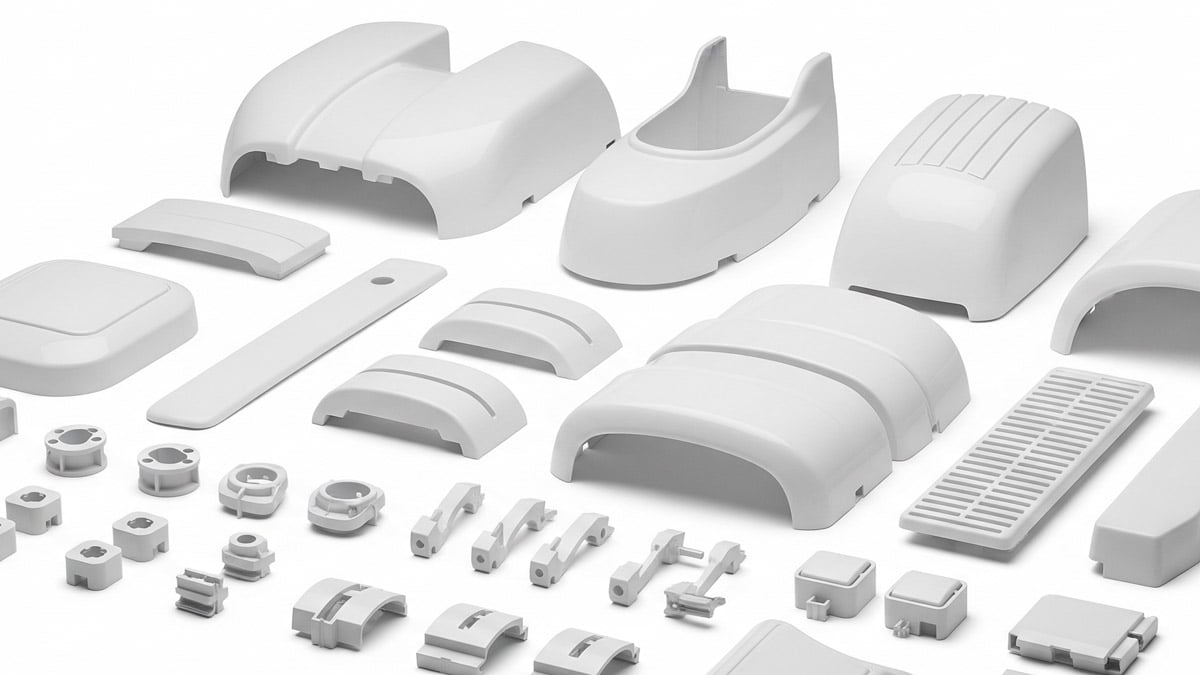
plastic components

Plastics and aerospace: a partnership driven by innovation

The aerospace sector uses advanced composites, such as carbon fibre reinforced polymers, in structural components such as wings, fuselage sections and tail assemblies. These materials offer lightness and strength, improving fuel efficiency and aircraft performance.

Inside cabins, plastics and composite materials are used to manufacture seat parts, overhead bins and side panels: this choice also contributes to reducing overall aircraft weight.
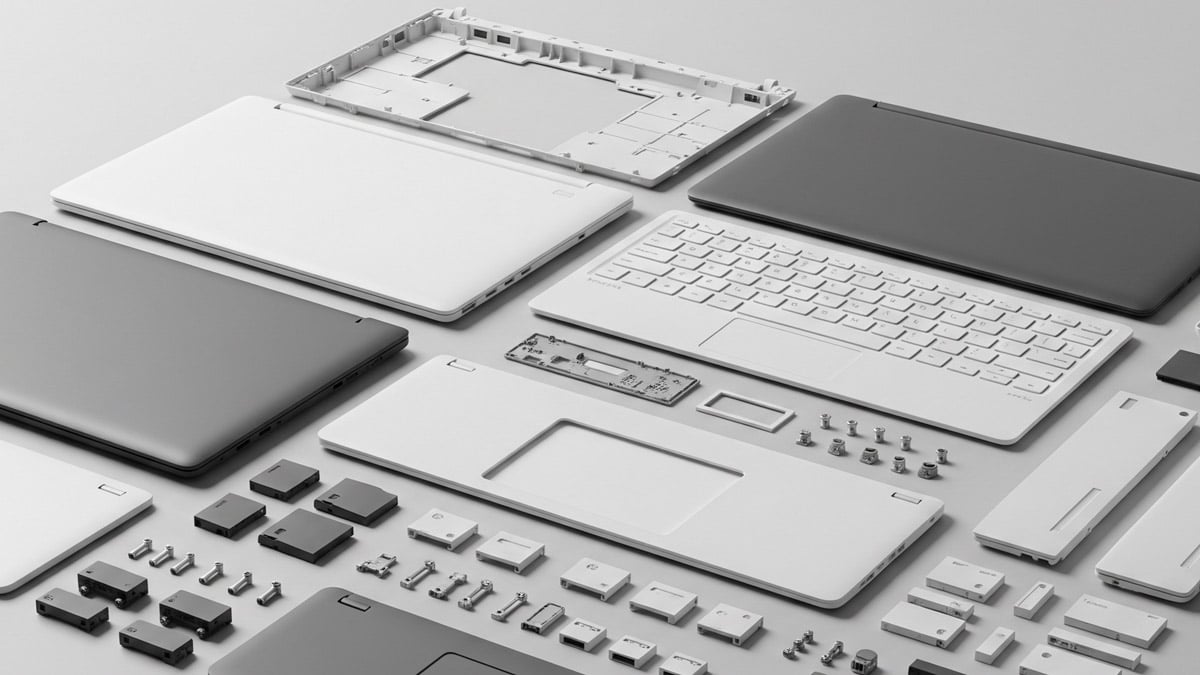
plastic keyboard and components

The electronics industry, in pursuit of durability and resistance

In electronics, ABS and polycarbonate are commonly used to produce casings for smartphones, laptops and other small consumer devices. These materials offer durability, impact resistance and ease of production, also enabling elegant and distinctive designs.

Even circuit boards benefit from plastic processing: in particular, laminated plastics are used as substrates for printed circuit boards thanks to their excellent dielectric properties, which favour the miniaturisation of electronic devices.

Main techniques of plastic processing

In each of the sectors mentioned above, plastic processing is carried out using different techniques. Among the most widespread methods, as mentioned, are injection moulding, extrusion and thermoforming, each offering specific advantages depending on the desired output.

Injection moulding

Injection moulding is a widely used technique involving the pressurised injection of molten plastic into a mould cavity. This process allows for high precision and large-scale production of complex shapes; it is ideal for manufacturing intricate design items such as car parts and household objects.

Extrusion

Extrusion, on the other hand, involves forcing molten plastic through a shaped die capable of creating continuous profiles such as tubes, sheets and profiles.

Thermoforming

Thermoforming is a technique that uses heat to soften plastic sheets, allowing them to be moulded into specific shapes using dies. Thermoforming is a more economical process than the previous ones, given the lower cost of the dies, and is therefore suitable for producing small batches or large parts.

DISCOVER THE MOST ADVANCED FINISHING SOLUTIONS

Elevate your competitive edge.


Coating: the most important phase in plastic processing

Once the parts are produced, the coating phase follows. This is a crucial process in plastic processing, as it significantly enhances the aesthetic and functional qualities of the final product, adding value even to low-cost items and increasing their perceived worth.

Coating and surface treatment techniques not only make processed surfaces more uniform and visually pleasing, but also help to differentiate them aesthetically through wide ranges of colours and matt, textured or glossy effects.

In addition, coating can improve the performance of plastic products by increasing resistance to wear, UV degradation and chemical agents, thereby extending their service life.
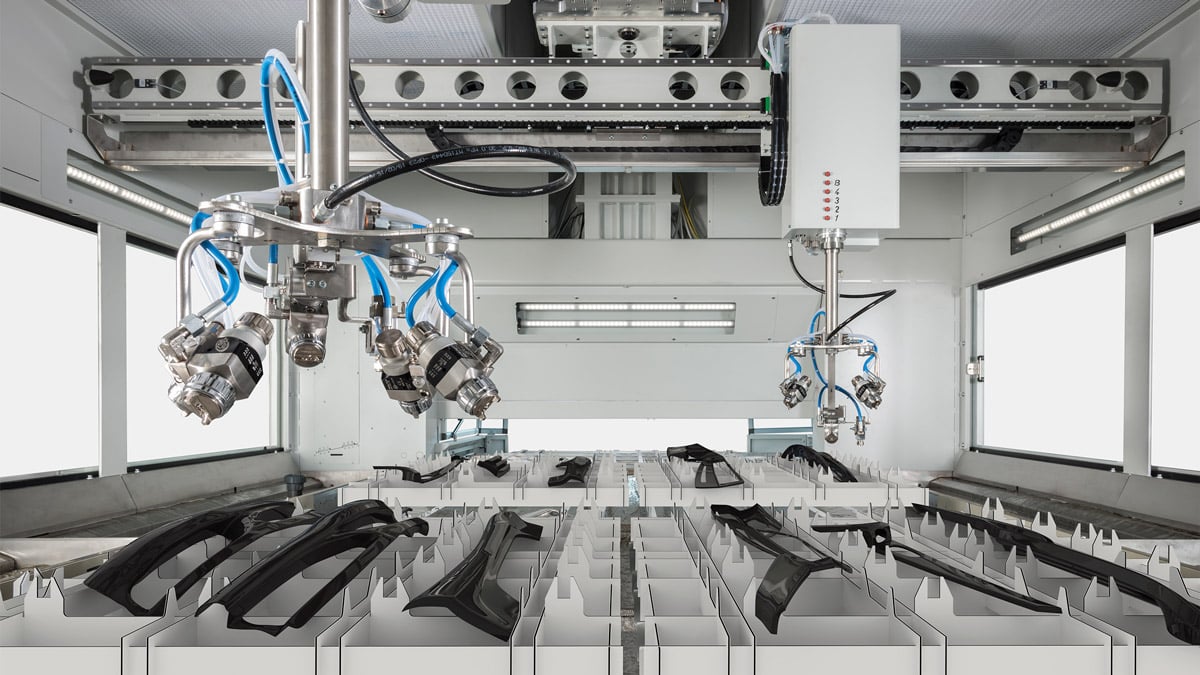
plastic processing machinery

Technological innovations and sustainability in processing

Optimising plastic coating processes reduces waste and environmental impact, while achieving the desired aesthetic and functional quality. This means leveraging solutions that combine precision with high production efficiency. The keyword is therefore automation.

Drawing on decades of experience alongside plastic processing specialists, Cefla Finishing has designed and built automatic lines that address production scenarios in an innovative way.

Examples?

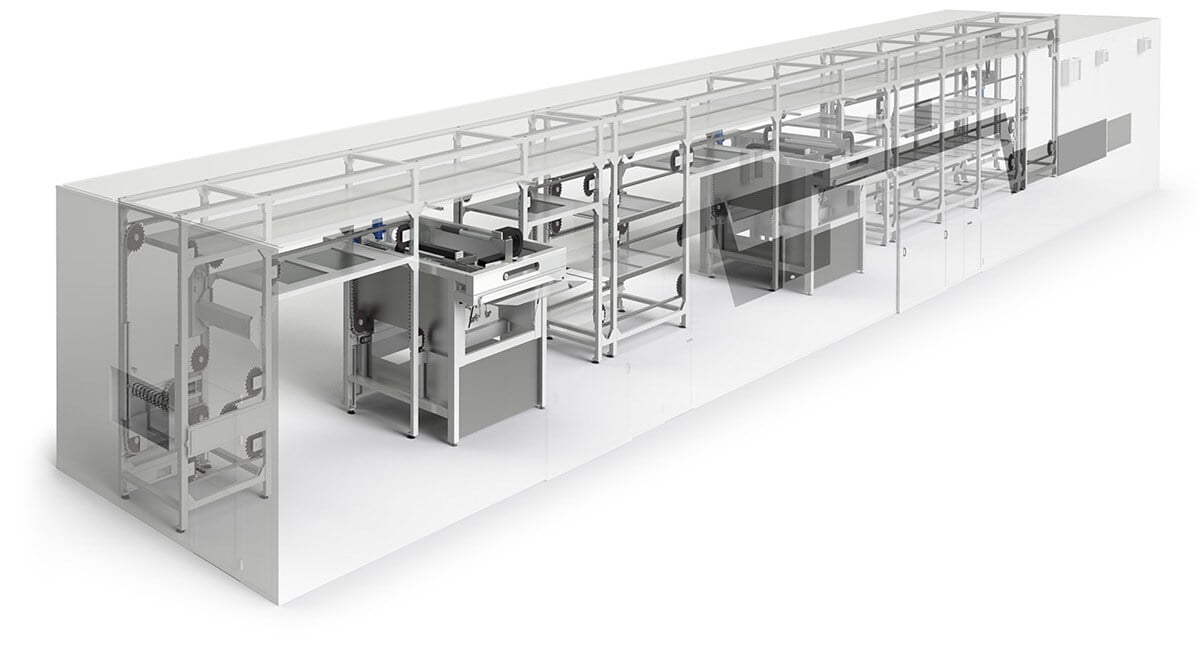
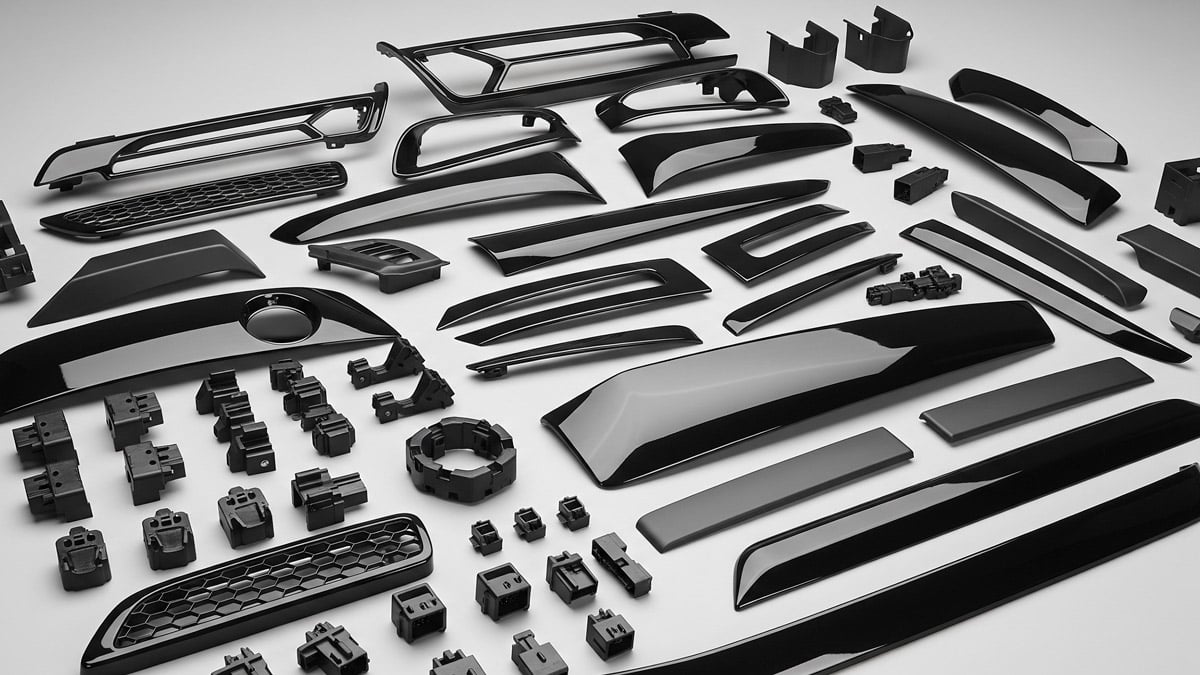
  • Coating of car interior parts in glossy black (piano black) and silver, on an automatic line supplied by Cefla Finishing for a major German OEM. Here, coating improves the aesthetic appearance of parts and their resistance to scratches and abrasions, through the use of dual-cure lacquers (UV and thermal curing). The line includes all systems required for part cleaning, a Cartesian robot (iBotic) for coating, a multi-deck flash-off oven, a UV oven and a vertical oven for final curing. Designed to achieve both high quality and high productivity.
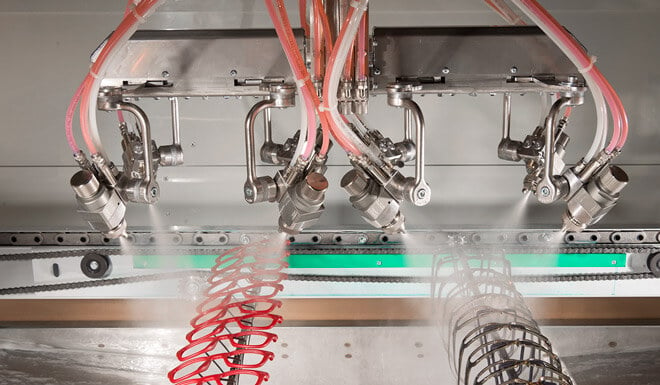
  • In eyewear finishing: in the Cefla-designed line, different frame components are fixed to a rotating support beneath a series of spray guns, then coated at high speed while overspray is removed via a water-filtration system.
  • For a completely different type of object: polypropylene flower pots. Cefla’s spray coating solution employs a high-performance anthropomorphic robot, iGiotto. The system works in two stages: pots, fixed to rotating spindles on a floor-mounted conveyor line, are first subjected to flaming – a crucial step to ensure correct paint film adhesion. Next, the pots move along the line for the second stage, spraying, performed by a second iGiotto. Drying is then completed in a hot-air tunnel. A fully automated procedure that saves time, reduces paint consumption and guarantees every pot a durable, high-quality finish.

Cefla Finishing, the ideal partner for improving plastic processing

Thanks to continuously evolving machines and a 3,000 sqm laboratory, Cefla Finishing can adapt every technology to most market use cases, offering customised solutions.

When it comes to coating plastics, Cefla’s modular approach to developing integrated lines and its expertise built alongside leading companies make it the ideal partner for this delicate process.

LOOKING FOR THE IDEAL SOLUTION FOR YOUR FINISHING LINE?


Plastic processing plays a crucial role in several industrial sectors: polymers make it possible to manufacture parts that are versatile, ...

Article

Optical Treatment for Solar Panels: Which Process is the Best?


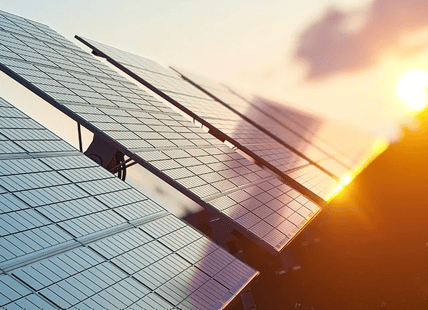
In an industrial scenario that is increasingly “going green” by continuing to invest in solutions capable of reducing the carbon footprint of business operations, solar panels are today a key technology. Today's complex and advanced systems designed to guarantee top performance and maximum efficiency deserve the best finishing technologies.

Just think of the role played by the thin layer of anti-reflective coating (commonly shortened to ARC). It is an optical coating applied to solar panels in minimal quantities, such as to be considered nanometric applications. This treatment improves the efficiency of the solar panel as less light is lost through reflection. Just think that with this treatment 3% to 4% more energy is supplied - by capturing the light that would otherwise be lost through reflection. These optical gains can help recover any capacity lost due to normal module degradation. We already mentioned that anti-reflective finishes are nanometric applications: for this reason, the treatment must be applied so as to ensure the highest possible uniformity.

In this feature we will review different types of solar panel, and then focus on advanced optical treatment solutions for solar panels, developed based on Cefla Finishing's expertise.


Innovation and sustainability in solar panels: advanced technologies and energy efficiency

The solar panel market offers a diverse range of technologies suitable for several applications - from residential rooftops to large solar parks. Understanding the characteristics and benefits of the different types of solar panel (monocrystalline, polycrystalline, thin-film and bifacial) is essential in order to make informed investment decisions.

Below is an overview of the current range configuration, showing the intended use and benefits of each product.

THE MOST INNOVATIVE FINISHING SOLUTIONS
Discover how highly advanced finishing solutions can sharpen your competitiveness.


Types of solar panel and their applications

Solar panels, the main technology using photovoltaic energy, can feature different structures and materials, each with distinct characteristics suited to many types of application.

Monocrystalline solar panels

Monocrystalline solar panels, for example, have a single continuous crystalline structure, usually silicon. They are easily recognisable as they are uniformly dark in colour with rounded edges, which indicates the high degree of purity of the material used in the production process.

This type of solution ensures the highest efficiency rates, often exceeding 20%. This makes them ideal for situations where roof space is limited. Thanks to their long life (often exceeding 25 years), microcrystalline solar panels are highly suitable for installation in urban environments and particularly on the roofs of residential buildings.

Polycrystalline solar panels

Polycrystalline panels are made up of multiple silicon crystals fused together. Precisely because of this type of processing, which generates multiple crystalline structures, these panels have a characteristically blue spotted appearance.

Generally, these panels are cheaper to produce than monocrystalline panels, but their efficiency rates are also lower and generally range between 15% and 20%: these values, while being not as high as monocrystalline panel ones, are still suitable for many applications.

In fact, thanks to their lower cost, these panels are often used in large-scale solar projects with particularly large surface areas and are highly in demand for covering fields or for remote installations.

Amorphous silicon modules

While also less efficient than monocrystalline panels, amorphous silicon modules are extremely flexible. Solar panels of this type are an excellent solution for creating photovoltaic systems in areas where solar radiation is weaker due to unfavourable climatic conditions - maximising the output from high temperatures or diffused light. From an aesthetic point of view, they stand out for their uniformly dark colour, while in terms of performance they offer versatility and lightness. Thanks to their low production costs and other characteristics, they are ideal for implementing highly verticalised applications, particularly in the architectural field.

Thin film panels

Amorphous silicon is also used to make thin-film panels by coating an underlying surface with a thin layer of photovoltaic material (cadmium telluride and copper indium gallium selenide in addition to silicon). This approach provides flexibility and lightness and makes thin-film panels the ideal solution for covering structures with non-linear shapes. They generally perform better in low-light conditions than the other panels listed above and are therefore used in conjunction with building components such as windows and roofs.

Advanced optical treatment of solar panels in the Cefla Finishing LAB

Regardless of the type of solar panel and application, the use of photovoltaic energy offers companies numerous advantages: energy savings, tax incentives, energy self-sufficiency, increased company value and improved sustainability reputation. To maximise these benefits, however, it is essential to be able to rely on quality products, capable not only of offering excellent performance whenever and in whichever way they are used, but also of maintaining this standard of performance over time. In other words, solar panels need to have a finish that's up to the task.

In our Cefla Finishing LAB, we have developed an ad hoc process, which includes the application of ARC using a very special roller machine called Solarcoater, able to guarantee excellent uniformity in the application of the ARC layer which, as we said before, is measurable in nanometres .

After application, the glass panel is fed through a drying oven to cause the ARC material to completely evaporate before the glass is tempered. It should be noted that there are two types of ARC, and the most common one requires glass tempering to permanently fix the coating. The other less common type only requires fixing of the coating at high temperature in the ovens.

Cefla Finishing and ARC application on solar panels

With its 60 years of experience in creating industrial finishing solutions, Cefla Finishing has developed an innovative range of machines for the application of ARC on solar panels.

Thanks to the industry-specific expertise of a team of specialists able to identify the most suitable technologies to meet any need, we can analyse the product, requirements and business objectives of manufacturers with a view to starting a long-term relationship based on a personalised roadmap.

LOOKING FOR THE IDEAL COATING LINE SOLUTION?

None
  
In an industrial scenario that is increasingly “going green” by continuing to invest in solutions capable of reducing the carbon footprint of ...

Article

Coating of thin PMMA sheets: innovative and long-lasting solutions

Coating PMMA (polymethylmethacrylate) is an extremely delicate operation: manufacturers of items made of this material must ensure that the finished product is not only aesthetically pleasing, but also – regardless of its intended use – resistant over time. This is especially true for thin sheets of PMMA - among the most versatile, most in demand items in the marketplace.

What are, then, the best techniques to manage the finishing process of this material, and what technological solutions are available today to help the most demanding manufacturers?

What are the possible finishing options for thin PMMA sheets?

Before going through the range of possible solutions, it is helpful to analyse the main finishes that can be obtained by coating PMMA. Since PMMA sheets are generally used to cover panels, a glossy (or mirror) finish is often required. For specific applications, however, these sheets can also be used with different finishes: from satin to deep matt going through embossed and metallic.

High-gloss and mirror effects are more aesthetically appealing, but over time they are more prone to scratches and chipping. Conversely, satin and matt finishes in particular are better at “hiding” any signs of ageing.

Regardless of the type of finishing chosen, however, the surface of PMMA sheets leaving the factory must be of high quality, resistant and totally free from defects.

THE MOST INNOVATIVE FINISHING SOLUTIONS
Discover how highly advanced finishing solutions can enhance your competitiveness.

Mockup-SelectedInnovations_ENG-V3

What are the available coating techniques for PMMA?

Although PMMA is generally associated with paint coating, finishing techniques for this material also include printing and lamination. 
Mainly used in the furniture industry, lamination turns sheets of polymethylmethacrylate into thin plates that create a surface effect reminding of bright glazed surfaces.

As for the digital printing process, it allows the back of PMMA sheets to be printed with any desired image which, thanks to the transparency of the material, appears perfectly visible with a charming reflective effect. This technique is often used to give the same visual impression as shiny marble or inlaid wooden floors.

What factors should be considered when choosing a finish?

In order to choose one approach or the other, therefore, a number of factors should be taken into account: aesthetics, durability and budget are primary considerations. Choosing the finishing technique for thin PMMA sheets that best suits your needs means finding each time the right mix of these factors and aiming for solutions that guarantee the right degree of flexibility to always obtain the best possible result in different use conditions.

PMMA coating: How does the application process work?

Created to provide a lasting finish and an appealing surface effect, thin extruded PMMA sheets are, as we mentioned above, semi-processed items particularly delicate when it comes to coating them. This prompted Cefla Finishing to develop a specifically tailored process, which is based on a roller coating machine operating in a controlled and dust-free environment.

Prior to PMMA coating, thorough surface cleaning operations are performed to ensure spotless finishes.

Once this phase has been completed, the sheets are fed into the machine. More specifically, the application unit consists of two rollers (a top roller for coating application, and another roller below the sheets to provide physical support) which firmly act on the PMMA sheets leaving no space for sheet warping. A scraper blade which removes excess lacquer from the lower application roller also contributes to optimising the coating process of such thin sheets.

When a deep matt finish is required, excimer matting technologies not only ensure the best possible result, but are also a “green” option, as they use less nitrogen than standard solutions.

Line integration for a complete solution

In addition to the specially developed roller coating equipment, the line can be completed with pressurised booths including air filtration and conditioning systems to avoid dust pollution and guarantee a controlled processing environment.

After the coating stages, the PMMA sheets can be dried in different ovens. Our UV-I inert curing solution maximises physical resistance and also dramatically reduces the need for photoinitiators, making the process more sustainable and reducing the related costs.

Exydry is a good example: it is an oven designed to process flat surfaces and will ensure a fingerprint -proof, soft-touch, deep matt finish, even on slightly raised panels.

H2 – Tailor-made solutions: which machines are used for PMMA coating?

Cefla Finishing - which has the widest available range of finishing technologies and machines designed to carry out specific processes such as PMMA coating - is now able to offer its customers the first roller coating solution specifically designed to process thin sheets. This is a dedicated line integrating a combined upper application roller and a lower support roller that work in synergy, as well as a cleaning system and a working environment designed to prevent dust pollution.

More specifically, the machinery that can be integrated into an advanced line for PMMA coating includes:

Each machine has specific features for completing the PMMA coating process and can be configured to meet actual requests from customers. However, in the event of even more challenging specific requirements, with tailor-made details to be expected or processing steps that imply customer-specific variables in terms of types of lacquer, production volumes or available space, feel free to visit our Cefla Finishing LAB in Imola or one of our satellite laboratories in China and the United States to identify possible solutions with our Cefla experts.

Contact us to arrange an appointment with Cefla Finishing specialists or run a live test.

LOOKING FOR THE IDEAL COATING LINE SOLUTION?

Coating PMMA (polymethylmethacrylate) is an extremely delicate operation: manufacturers of items made of this material must ensure that the finished ...

Article

Wooden profile finishing: all the types, all the advantages

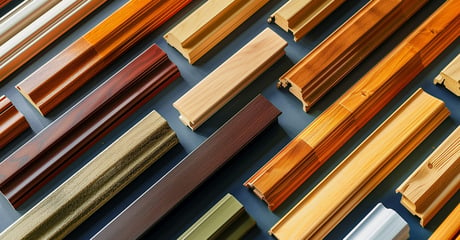
Wooden profile finishing is an essential stage of the production process as it confers quality and durability on a range of products that are becoming indispensable in the construction, furnishing and interior design sectors. Hence the increasing number of technologies and methods that can be used to complete this delicate process.

This, of course, means more choice: on the other hand, though, you need the right knowledge and skills to be able to select the tools that best meet your production needs.

The importance of profile finishing

Before looking at the most popular techniques, let's define the aspects that make profile finishing so vital to improving the visual appearance of a product and making it more durable and reliable.

A well-finished product is more attractive to consumers and provides a more satisfying tactile experience: consequently, it can have a significant impact on purchasing decisions. Consistent aesthetics among products, even those belonging to different lines, is essential for building brand identity and the consumers' perception of quality. Moreover, the fact that profile finishing provides scope for customised design should not be disregarded: different coatings and effects can create unique looks that meet individual customers’ preferences.

Meticulous profile finishing protects raw materials from the humidity, UV rays and temperature variations that can, over time, lead to deterioration and damage. This prevents problems such as warping, cracking and fading, increasing product longevity.

Last but not least is the issue of compliance with standards, especially for companies that operate internationally: many markets have clear standards on the finishes used in furniture, especially with regard to volatile organic compound emissions. Suitable finishing processes ensure compliance with such regulations, making products safer for consumers and environment-friendly.

Profile finishing technique types

From sanding to sealing, through coating and drying, there’s a range of technologies for obtaining an optimal finish. Let's examine, one by one, the techniques available on the market, and highlight their specific characteristics, advantages and fields of use.

Profile sanding: the first step towards a perfect finish

To begin with, the main benefit of sanding is its flexibility. To ensure freedom and simplicity of cross-section/size configuration, modern sanding machines feature sanding belt, wheel or brush units.

R-BPS

For example, the BPS range, specifically developed by Cefla Finishing for profile sanding, has two versions - with CNC or manual adjustment - to maximise adaptability to all profiles or panels, even those of limited width.

Vacuum technology for perfect profile sealing

Sealing solutions with vacuum technology are perfect for manufacturers who prioritise process efficiency. The most advanced machines, such as our Talent, deliver almost 100% transfer efficiency by applying a uniform coating with exceptional precision and speed.

Talent-Omega

Incorporating UV lamps allows the machine to perform the necessary curing process and is perfect for treating different substrates and processing wood.

Compatible coatings include water-based products, UV-curable water-based products, 100% UV products and various sealants. Zero overspray minimises coating and sealant waste and allows the machine to coat six sides in a single pass.

Spray coating: flexibility and precision

For those looking for flexibility and precision, in-line spray coating offers an increasingly compelling response. Featuring a system that guarantees continuous processing, our Performa is available in three different configurations to match the customer’s profile conveying system. Numerous spray guns allow the machine to process widths of up to 300 mm and apply pigmented products and water- and solvent-based coatings. This sprayer is also highly suitable for high-speed lines.

R-Performa

Alternatively, Flexispray offers a more economical, more compact solution that’s ideal for facilities with limited floor space. Designed to provide manufacturers who still use manual application with entry-level automation, it can finish items up to 240 mm wide (in certain conditions up to 300 mm) with up to six spray guns.

Profile drying: energy efficiency with the transverse kiln

Lastly, companies eager to achieve high energy efficiency can focus on optimising their drying technique. In this case, profile finishing is performed by machines able to dry coatings applied on low-width profiles or panels. For its most demanding customers, Cefla Finishing offers the Cross Oven, a modular solution that treats water- or solvent-based coatings by way of an insulated structure that makes the oven extremely effective and efficient.

R-CrossOven

Profile finishing: why choose Cefla Finishing?

60 years’ experience in the design and construction of automatic systems makes Cefla Finishing the perfect profile finishing partner, able to build innovative solutions around the customer’s individual needs.

Indeed, we provide customers not only with an expert team of specialists capable of identifying the right technology for the task at hand: we also work to ensure seamless integration of new machines into existing processes. After assessing product, needs and business goals, we work closely with customers to define a plant development roadmap that can also include preliminarily plant testing at one of the Cefla Finishing labs.

So all that remains is to put us to the test. Contact us and find out which profile finishing solutions will help you boost your line performance! 

LOOKING FOR THE IDEAL COATING LINE SOLUTION?

Wooden profile finishing is an essential stage of the production process as it confers quality and durability on a range of products that are ...

Article

Eyeglass coating: plastic finishing solutions and much more

Everyone involved in eyeglass coating knows perfectly well that it is, perhaps, the most decisive process when it comes to giving the final product aesthetic appeal. Design and materials are certainly crucial when it comes to building a good frame. However, vibrant colours, high-quality finishes and the right ‘feel’ are equally decisive factors, leading consumers to choose products that will match their own look and, possibly, improve it.

In other words, aesthetics are as important as the practical, protective characteristics provided by the coating process.

The major brands are well aware of this: that’s why they’re always looking for partners who can guarantee an optimal approach to eyeglass coating, minimising costs but without ever compromising on quality.

This article explores the main coating techniques used on plastic eyeglasses (and those made of other materials). It also illustrates how Cefla Finishing - by drawing on decades of experience and constantly striving to improve the efficiency and performance of finishing lines - has succeeded in designing an advanced system with customisable configurations.

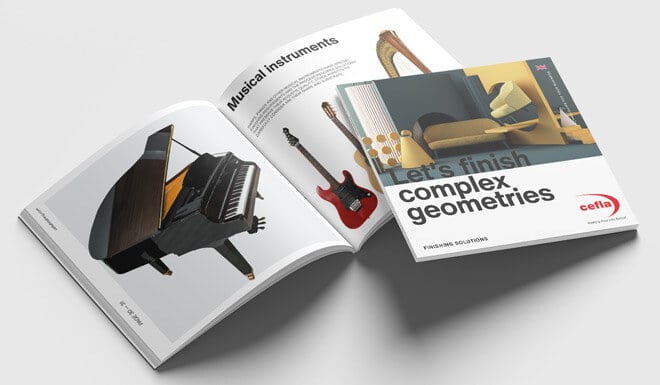
ComplexGeometries#1-Mockup

Want to discover the universe of objects with complex geometric shapes that are coated with Cefla Finishing equipment?


The main eyeglass coating techniques

First of all, note that different techniques can be used to treat these semi-finished products, whether they be complete frames or individual components. However, if the goal is to achieve premium-level quality, it’s essential that plastic eyeglass coating be performed inside a pressurized area that is sealed off from the external environment.

In many cases it’s preferable to use a liquid coating as it allows fast drying, even at relatively low temperatures. Not only that, it ensures impeccable output on any type of material, guaranteeing a broad range of aesthetic results, from RAL colours and metallic/iridescent effects to soft-touch finishes.

Sunglass_pistole10

Liquid coating is usually applied by spraying. This can be done using machines or by way of manual techniques, depending on the type of product being made.

Regardless of the type of process, the coating will have to be dried. For this reason, semi-finished products need to be placed, in series, in one or more ovens before proceeding to the next stage, which usually consists of polishing.

How to maximise eyeglass coating process flexibility (on plastic or other materials)

These are the most popular methods when it comes to plastic eyeglass coating: traditional approaches that have pros and cons, to be carefully assessed before starting up a finishing line. And then there's the Cefla Finishing approach, which has resulted in the development of an integrated solution that combines productivity, efficiency and precision.

On the Cefla-designed line, in fact, the various eyeglass components are attached to a rotating support. This is positioned underneath a series of spray guns, which coat them at high speed while any overspray is controlled and minimised using water filtration. The ability to configure the machines according to specific finishing requirements ensures coating is performed efficiently without having to program special trajectories.

RENDER-Linea-Occhiali-2

All this takes place inside a pressurized, air-conditioned zone, ensuring the correct ambient conditions for the process in use. The system can also rapidly be adapted to different types of coatings. Moreover, simplified format changeover procedures guarantee greater flexibility.

By leveraging an integrated, fully automatic system, this approach improves energy/raw material management and delivers high-quality coating.

Which machines are used to coat eyeglasses? Building a high-performance line

The line designed by Cefla Finishing includes highly specialised machines. These are designed to simplify control of every step in the coating process, for eyeglasses or other objects of complex shape.

Let’s begin with iBotic, the one- or two-arm Cartesian spraying robot with interpolated axes that’s perfect for high output capacities and maximum quality. This machine stands out for its capacity to simultaneously process pieces of different shape and thickness, with the conveyor either at standstill or on the move, in tracking mode. Lastly, the passage in the oven features Aquadry technology, a combined in-line system that merges the effectiveness of high-speed hot air with the high radiant capacity of infra-red lamps. This is the most efficient acrylic coating drying method as it requires less time to evaporate the water contained in the coatings.

Cefla Finishing and tailor-made solutions to coat plastic eyeglasses and other items

The above is just one example of the potential of a dedicated metal and plastic eyeglass coating line. Thanks also to a vast selection of finishing solutions and a 3000 m2 lab facility where customers can engage in hands-on experimentation and development of customised equipment, Cefla Finishing is able to adapt each process technology to most of the market’s specific needs.

By leveraging a constantly-evolving machine range, it’s possible to use in-depth technological integration to optimise not just the coating of eyeglasses but also the finishing of wooden furnishing accessories, helmets, musical instruments, solar panels, car dashboards and ceramic slabs. In other words, the opportunities are practically limitless: all you need to do is contact one of our experts and come and see how the Cefla range can help you take your business to the next level!

LOOKING FOR THE IDEAL SOLUTION FOR YOUR COATING LINE?

Everyone involved in eyeglass coating knows perfectly well that it is, perhaps, the most decisive process when it comes to giving the final product ...

Article

Coating solutions: overhead lines, robotics and automation

Door/window manufacturers and sub-contractors who finish intermediate wooden or PVC products are always looking for new coating solutions: integrated machines and lines that not only ensure the best possible output but also allow them to create products that genuinely meet each customer’s specific needs. Solutions such as these deliver true innovation to the industrial coating sector.

Innovation in industrial coating

Today’s challenge consists of simplifying the industrial coating process with groundbreaking solutions, taking into consideration several parameters:

  • production volumes
  • demand for flexibility
  • type of substrate
  • specific requisites of final products.

At the same time, it’s crucial to act on four key aspects:

  • finishing process control
  • lacquer consumption control
  • coating quality/uniformity control
  • awareness and control of production efficiency and production potential.
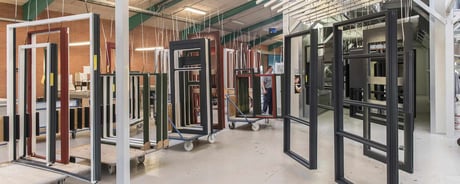
window coating

What is an anthropomorphic coating robot and what are its advantages?

Let's dive deeper and see what solutions based on anthropomorphic robots consist of:

Minimising manual tasks by deploying machines capable of reproducing workers’ movements is the fastest way to obtain consistent quality regardless of the shift, the worker or the time of day the work is done. Furthermore, the greater the degree of automation, the easier it is to maintain control of the entire process.

Those who use a line of anthropomorphic robots for coating can:

  • coat large, geometrically challenging pieces
  • monitor consumption
  • assess production efficiency
  • take action to adapt to market demand.

Easy to program thanks to proprietary software developed by Cefla Finishing, anthropomorphic coating robots installed on overhead lines are extremely user-friendly, require no specific skills, and have minimal maintenance requirements.

THE MOST INNOVATIVE FINISHING SOLUTIONS
Discover how highly advanced finishing solutions can sharpen your competitiveness.

Overhead coating lines: flexibility and productivity

When it comes to finishing complex three-dimensional objects such as windows and doors, unassembled chairs or even musical instruments, using anthropomorphic robots on overhead lines is essential to achieving high-quality coating results that deliver smooth, even surfaces.

But that’s not all. Combining automated systems with intelligent loading and unloading mechanisms minimises the machine downtime associated with colour changeovers.

Anyone who manages orders with a high level of product customisation knows that flexibility is an essential component of productivity. For this reason, only a custom-designed range of coating solutions can successfully adapt to the specific nature of the production plant and the type of companies it serves.

Cefla Finishing is well aware of this: that’s why it offers customers a range that focuses on integration and compatibility.

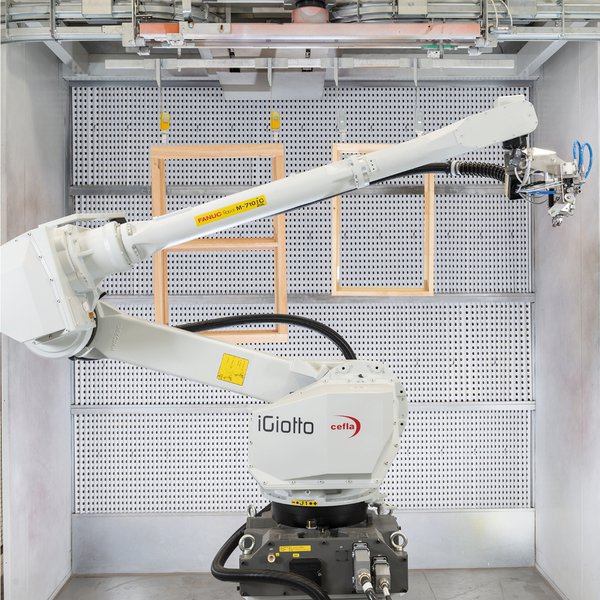
iGiotto: an integrated coating system

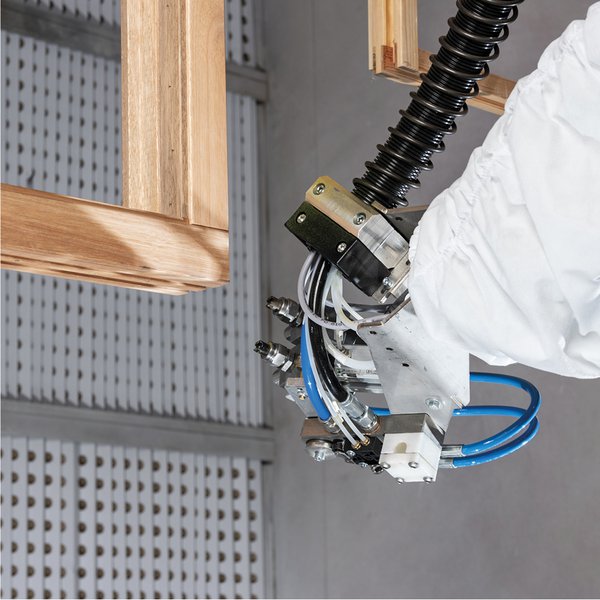
iGiotto is, above all, a spray coating solution that can be fully integrated with special software, allowing the manufacturer to control every aspect of the spraying process. Able to work with water- or solvent-based lacquers, it features an anthropomorphic spray robot that works at programmable speeds while maintaining a stable gap between spray gun and workpiece. In essence, this set-up ensures optimised consumption of the lacquer and its uniform application.

Specially developed in-house software lets you set all the process parameters and start production, with minimal operator intervention as all the worker has to do is load the pieces onto the vertical line. Note also that iGiotto sprays the pieces as they’re being conveyed, increasing overall line efficiency.

When iGiotto is integrated into a complete line, the pieces pass through a drying tunnel and are then collected and unloaded, either in batches or individually.

igiotto-front

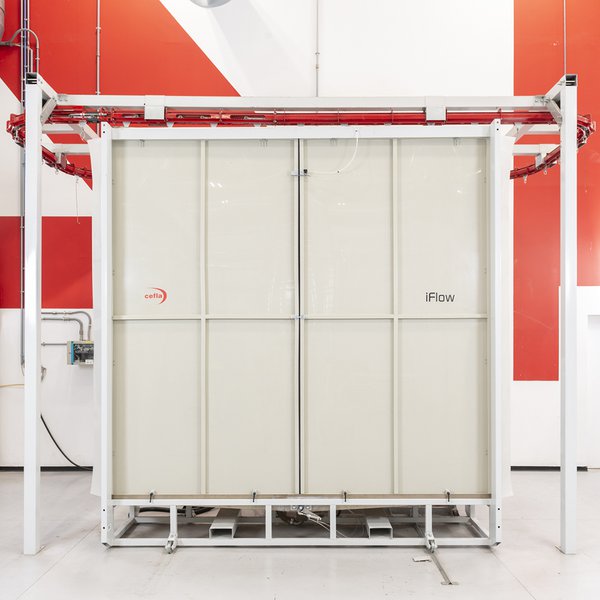
iFlow: wood impregnating solutions

iFlow is, instead, a spray-type wood impregnation machine. Developed using ‘smart design’ principles that streamline cleaning and general maintenance tasks, iFlow is the perfect addition to lines that seek to maximise production efficiency. This coating solution is, in fact, expandable: it allows for the inclusion of a second unit to manage different types of finishes and colours within the same time frame.

iflow

Automatic loading and unloading: integration with overhead lines

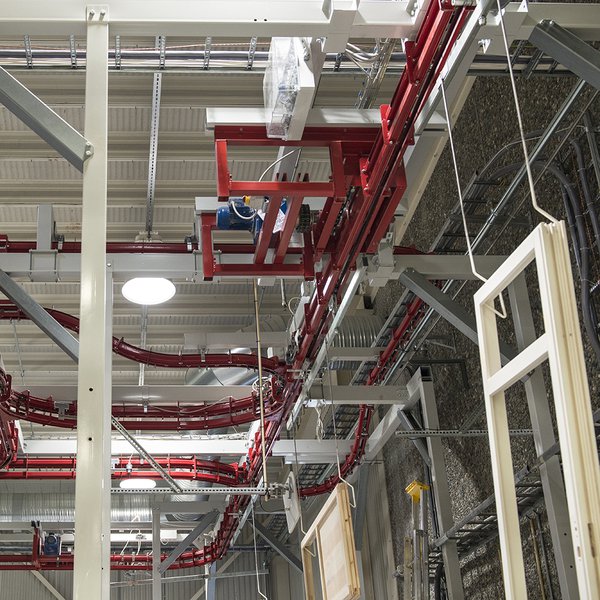
A high-efficiency overhead line can only be considered complete if it features an integrated product handling system.

To minimise manual tasks - and allow operators to focus on supervising the line - Cefla Finishing has developed iLoad, a cutting-edge solution for automatic loading/unloading of overhead conveyors.

iload

Sustainable coating: an achievable goal

Bringing all the features of these machines together on a single coating solution doesn’t just boost plant productivity: it also significantly improves the sustainability of the entire value chain.

Less lacquer consumption - which leads to reduced use of wash water, less refuse, fewer filters and less maintenance - leads to a reduction in waste and lessens the environmental impact of operations.

Why Cefla Finishing? The advantage of being global

A global presence, combined with in-depth experience gained in highly localised situations, allows Cefla Finishing to provide unique solutions for unique needs.

Just think of how coating processes vary according to the type of wood used (conifers, broadleaved trees, exotic woods, etc.). What’s more, finishing processes are also affected by ambient conditions. For example, coating types and processes in cold countries (e.g. Scandinavian nations) will differ considerably from those used in warmer, sunnier countries such as those in the Mediterranean area. Each geographical setting has its own peculiarities, and local companies need to take them into account, as must their suppliers.

Cefla Finishing is an international player that has built its reputation by intercepting different needs on different markets: a factor that, today, makes it an ultra-reliable partner for small, medium and large companies alike.

coated windows

How to choose the right solution for your company

Established to meet customers’ individual needs, the Cefla Finishing Lab is a true technological hub that aims to pool experiences, business models and new technological opportunities.

Visitors to the Cefla Finishing Lab can see more than a hundred machines in operation, create and test entire processes on-site and pinpoint the best settings to maximise production line performance.

In other words, visiting our Lab means discovering the coating solutions that best suit your specific requirements and calculating the ROI needed to make finishing lines increasingly efficient.

LOOKING FOR THE IDEAL COATING LINE SOLUTION?


Door/window manufacturers and sub-contractors who finish intermediate wooden or PVC products are always looking for new coating solutions: integrated ...

Load more articles

Articles: 6 / 20