Article

What are the main steps of a coating cycle?

What are the main steps of a coating cycle?

Coating cycle steps

What are the main steps of a coating cycle? The process can be grouped into 5 main phases:

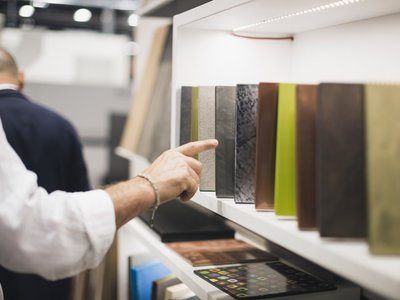
Sanding: sanding the untreated panel is a phase that we will find in almost all coating cycles, both when talking of wood or and other materials, such as fibre cement and some plastic substrates. In the case of a wooden substrate, it smoothes out the panel by removing the woody fibres that rise up from the surface due to humidity, while in materials other than wood, normally it improves the adhesion of the first coat of paint
Coating / impregnation: coating is the application of solvent-based or water-based dyes, which alter the colour of the substrate. Impregnation, on the other hand, has the dual purpose of both colouring and protecting against mould and fungi
Application of the primer: this is the first of a series of base coats, carried out to: clog the pores, allow sanding while preserving the colouring of the substrate, provide an optimal base for the first finishing layer
Sanding of the substrate
Finishing: application of the finishing coats, transparent or pigmented, glossy, matt, or even deep matt and soft touch. It ensures surface resistance and protection against adverse weather conditions.

IMG-LAB-W562

What are the main steps of a coating cycle? The process can be grouped into 5 main phases: ➊ Sanding: sanding the untreated panel is a phase that we ...

Article

Edge coating: increase your productivity with Edge&Go

Edge coating is relatively simple when the geometries of the workpieces never change: but when batches of products largely different in terms of edge shape and size have to be processed, things become definitely more complicated. Whenever the type of product changes, the machine needs to be stopped to reset the application head.

How many times in a day can this happen? How much machine downtime is generated, and for how long? Is there a way to make line setup changes more efficient and speed up production?

These are the questions asked by finishing plant managers: so far, however, the answers have been less than encouraging. Removing application heads and realigning components according to the shape or size of the edge of the next product to be processed is a complex, time-consuming operation, which must be carried out by skilled workers.

However, thanks to the application of new technologies to the edge coating process, finishing lines can now achieve a degree of flexibility that was unthinkable up until just a few years ago.
 

Mockup-EdgeCoating-ENG

EDGE COATING
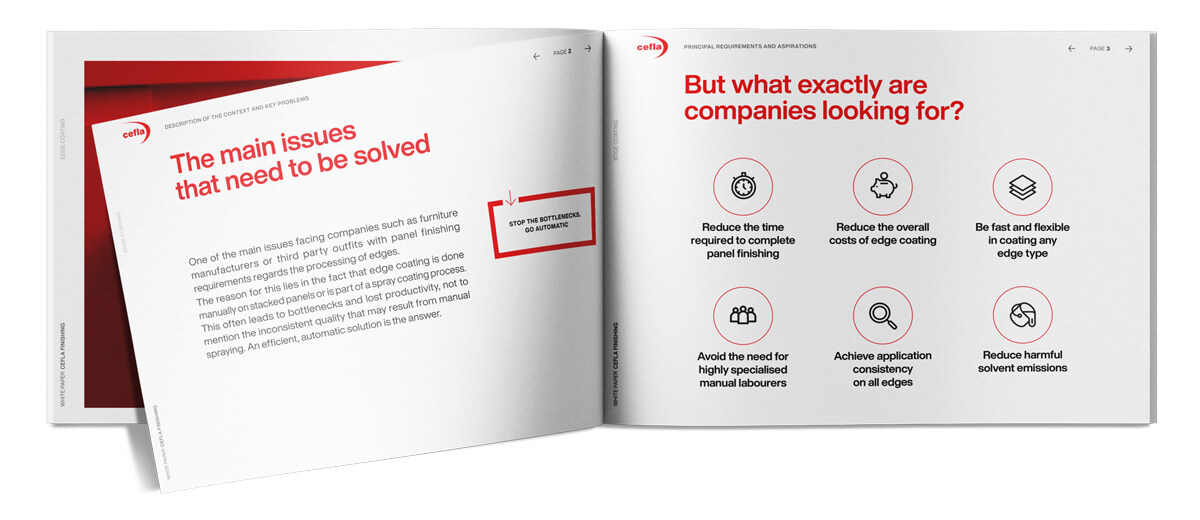
Discover how to solve edge processing issues

Technological innovations in edge coating

Automated systems are effectively revolutionising edge coating techniques, minimising human intervention and maximising process efficiency. Robotic arms guided by sophisticated algorithms can apply lacquer to edges precisely, reducing overspray (and the resulting material waste) and adapting to different component shapes and sizes - which leads to more flexible production lines.

New spraying solutions such as High Volume Low Pressure systems and others based on electrostatics have significantly improved the application of edge coatings, allowing for more homogeneous finishes and reducing environmental impact.

Integrating smart sensors into edge-coating processes means enabling performance monitoring to ensure real-time feedback: sensors can detect coat thickness, surface temperature and environmental conditions, allowing for automatic adjustments in order to maintain optimal application standards.

Finally, digital inkjet printing technologies should also be mentioned as emerging valid alternatives for specific applications. Compared to edge coating, this process allows for high-resolution images and patterns to be printed, enabling high levels of customisation without any significant changes to the line setup.

FOR MORE INFORMATION:
Coating of panels and edges: digital printing offers a new alternative
TestaEdge&Go

Edge&Go: a revolution in edge coating productivity

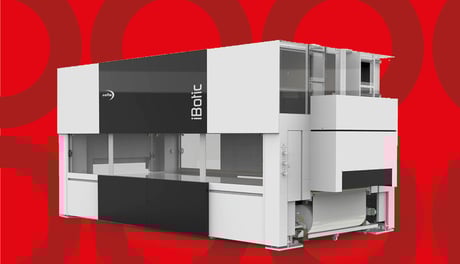
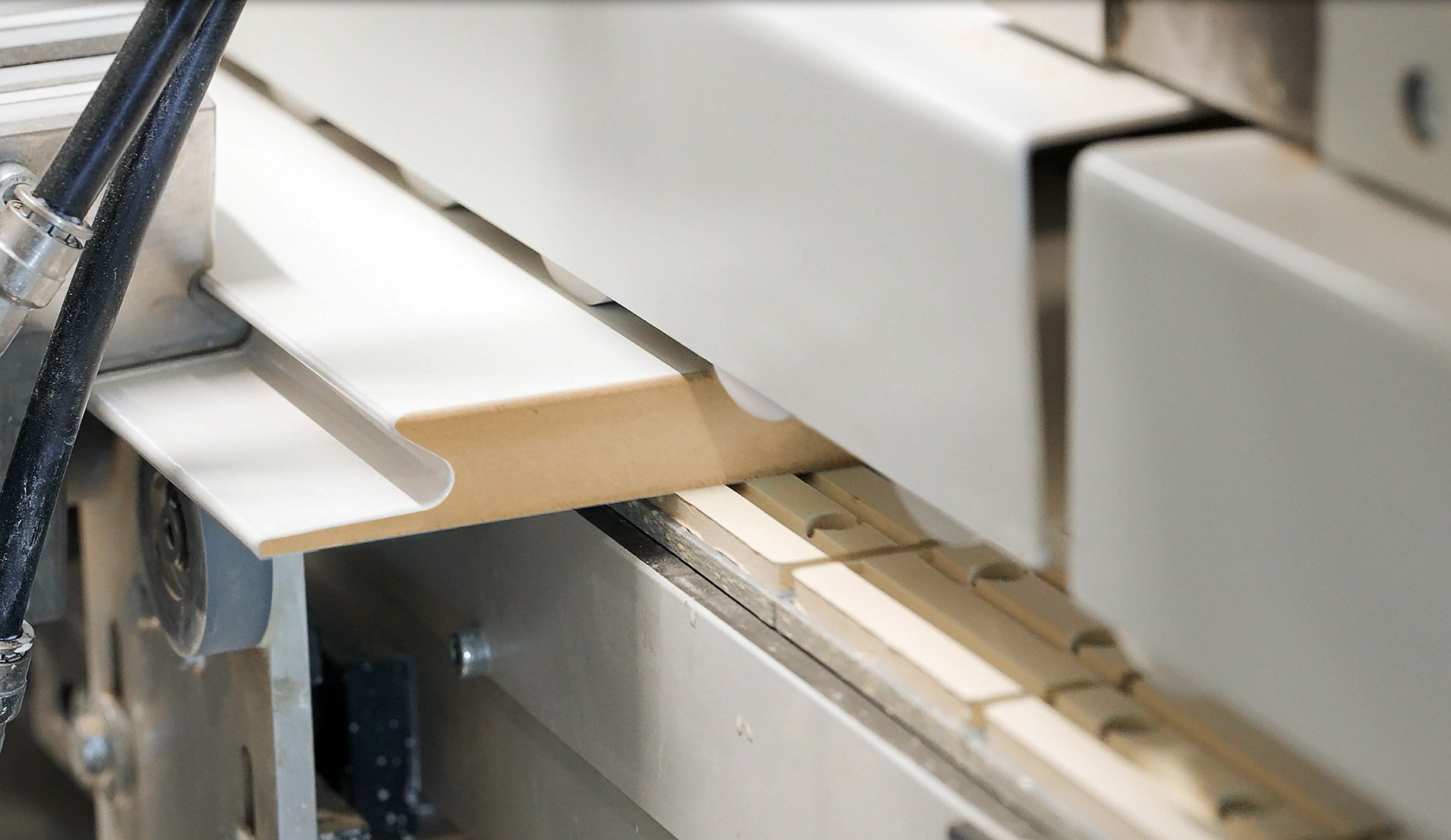
It is by combining the characteristics of some of these technologies that Cefla Finishing has developed Edge&Go, a simply revolutionary, patented system for edge coating. The device combines flexibility and user friendliness, automatically adapting to the different edges that reach the finishing line and allowing, where necessary, quick changing of the workpieces.

Integrated in the Smartedge system - the complete solution from Cefla Finishing for coating and sanding flat and raised panel edges - Edge&Go can boost the productivity of any type of line beyond all expectations, maintaining high quality standards for all edge types.

Advantages of automated coating over manual coating

One of the most significant advantages of using automated coating systems lies in the line's ability to ensure quality consistency. Unlike manual processes, which can by influenced by human factors including operator skills and levels of tiredness, robotic systems will follow predefined paths and parameters precisely. This ensures that each product is processed consistently - resulting in higher-quality finishes and fewer defects.

Obviously, robotic processes can be carried out continuously and at higher speeds than human-controlled processes, resulting in increased productivity and improved workplace safety.

Automatic systems are also designed to optimise the use of materials, thus reducing waste and (economic and environmental) costs related to consumables. Advanced edge coating techniques, such as electrostatic spraying, result in more efficient lacquer application, minimising overspray and the need for touch-ups.

Last but definitely not least, the flexibility and scalability ensured by robotic finishing and coating systems allow production lines to be easily modified with minimal downtime whenever production processes need to be adapted. This also means being able to quickly scale up or down production capacity based on demand without excessive costs.
ProfiliSmartedge

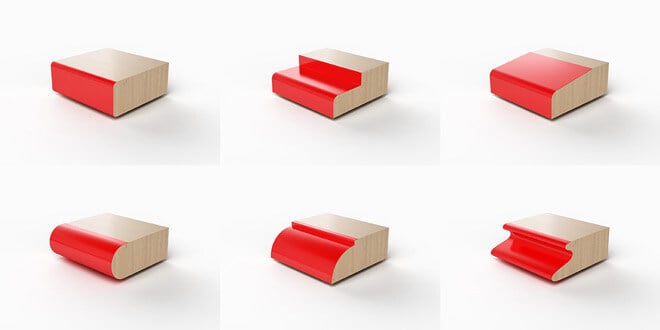
Customised solutions for different types of edges

Edge&Go is just one of the innovative solutions that Cefla Finishing has created to help companies improve their edge coating processes. These components' ability to adapt to different production needs is ensured not only by the flexibility typical of systems natively designed to handle different types of panel, but above all by Cefla's industry-specific expertise.

Tuning in to customers, understanding their needs, an in-depth knowledge of the materials and tools used: these are the assets underlying Cefla Finishing's consultancy, which results in the supply of tailor-made solutions, with customised functions, capable of supporting streamlined processes, essential to successfully adapt to new, competitive scenarios. Come and test Edge&Go in our LAB.

LOOKING FOR THE IDEAL COATING LINE SOLUTION?

Edge coating is relatively simple when the geometries of the workpieces never change: but when batches of products largely different in terms of edge ...

Article

Spray Coating Process. Doing it well? Want to do it better?

Spray Coating Process. Doing it well? Want to do it better?

Technologies and processes of spray coating

Your company has been performing surface finishing for producers of furniture components, the automotive industry or manufacturers of windows and doors, and you’ve been doing it for years.
Today you need to become more efficient, more flexible and ultimately more competitive? Probably your future prospects depend on that. 

Becoming more competitive depends on factors like these:

Productivity is all about handling whatever the market wants in the quantities it demands. You can increase flexibility by integrating an oven which accepts totally different shapes and sizes one after the other without stopping

Flexibility also means being able to coat different pieces simultaneously in the same machine using a Cartesian robot

Transfer efficiency is a key issue. Our experience and our technologies enable us to find the best solution, leading to potentially huge annual savings in terms of lacquer consumption.
Here, a new concept of elliptical sprayer, Elispray, which combines extremely high work rates with high quality transfer efficiency, comes into play.

Product differentiation. How does your product differ compared to that of the competition? The answer, in this sense, has much to do with the integration of digital printing technologies with relief effects on the coating line, allowing for uniqueness and personalisation that - thanks to flexible, competitive processes - can respond quickly to market trends.

Training. Having trained staff is certainly a key strength for a company that aims to be competitive on the market. In this regard, the Italian Finishing School provides essential support by teaching a combination of coating theory and coating practice.


Eduard Raffini

LAB Application Manager

Test specialist and Coordinator of the Cefla Finishing HQ LAB

https://www.linkedin.com/in/eduard-raffini/

Your company has been performing surface finishing for producers of furniture components, the automotive industry or manufacturers of windows and ...

Article

What are the standard settings on spray coating machines, with anthropomorphic robots, at high output capacities?

What are the standard settings on spray coating machines, with anthropomorphic robots, at high output capacities?

Spray coating machines setting

The main difference concerns piece management.

If, on the one hand, certain start-up concepts remain valid (e.g. spray gun positioning, loading the coating, cleaning procedures as with oscillating sprayers), on the other there is a substantial difference in the way the parts are coated as it's possible to spray three-dimensional objects of various kinds.

With oscillating spray coating machines, just turning a selector switch may be sufficient; with robot spray coating machines, instead, the operator creates a specific job recipe for the product to be processed on the machine control PC. Today, this task is made simple by several optional systems, scanners and classifiers that ensure the machine can recognise the piece and automatically activate the correct work sequence.

Let's talk about 2D and 3D systems: what's the difference?

The 2D system allows for calculation of piece thickness, longitudinal tilt and vertical tilt so that the most suitable coating programme can be selected. This system ensures homogeneous coating quantities over the entire product.

The latest-generation, automatic 3D reading system (cVision) allows acquisition of the position, size and shape of transiting pieces with unprecedented precision.

What are the advantages?

Time savings, coating savings, quality and flexibility. The combined action of laser and ultra-high resolution cameras lets iGiotto, for example, completely and automatically generate precise work trajectories based on the object "families" in its database.


Eduard Raffini

LAB Application Manager

Test specialist and Coordinator of the Cefla Finishing HQ LAB

https://www.linkedin.com/in/eduard-raffini/

The main difference concerns piece management. If, on the one hand, certain start-up concepts remain valid (e.g. spray gun positioning, loading the ...

Article

Certified wear resistance to foot traffic


How can you offer a highly customised, high quality and durable product?

A spotlight on the advantages of digital printing for flooring.

When it comes to flooring, issues related to deterioration caused by foot traffic mean that use and abrasion performance are critical factors in the choice of a floor.

Laminate and parquet floors have always been among the most popular choices in home renovations. Their aesthetics, formats and wear resistance make these two floor types highly suitable for customisation, achieved thanks to industrial digital printing processes, and for meeting use and abrasion resistance requirements.

More specifically, the products used in the industrial digital printing process, intended for the flooring industry, meet the requirements of the abrasion resistance class AC5 (hotel halls, hallways, offices).

In addition, more and more paints and inks used in industrial digital printing fully qualify for the class of use 33, relating to high traffic areas (larger offices, stores).

Use class and abrasion class are closely linked and taken into consideration together when choosing a floor.

In general, textile floor coverings, and direct printing elements with resin top layers must meet the specifications, requirements and test methods currently regulated by EN 15468:2016.

In particular, the tests required to simulate the abrasive effect of foot traffic, from "falling sand" to "Taber", also include tests with aluminium oxide, in addition to the already known sandpaper test, making them even more realistic.

Since September 2019, we have also been expected to comply with different regulations to meet the requirements of China and the United States relating to laminates or surfaces with direct printing and polymer coating (EN13329) ("Taber test"). In relation to this standard, we have achieved AC4 and AC5 ratings with some different cycle specifications, currently being verified by our customer.

Learn more about our Industrial Digital Printing solutions 

How can you offer a highly customised, high quality and durable product? A spotlight on the advantages of digital printing for flooring. When it ...

Article

Falling in love with complex 3D geometries again

Falling in love with complex 3D geometries again

How many times is it a love and hate game? When you need to coat a complex 3D element, the first thing that comes to mind is the time spent manually programming a sequence of trajectories which ensure both spraying efficiency and finished quality.

iGiotto Cefla Finishing spray coating

How many times is it a love and hate game? When you need to coat a complex 3D element, the first thing that comes to mind is the time spent manually programming a sequence of trajectories which ensure both spraying efficiency and finished quality. Window frames may not put you to the test, but spraying objects such as chairs, musical instruments, helmets or flower vases will present a notable challenge when defining specific parameters. Do you begin to hate them? Would you fall in love with them again if you could totally avoid manual programming? Think of the time saved. And imagine if you could be sure of obtaining the most efficient trajectories ensuring the best coating quality, not just once, but on every single piece.

Avoiding manual programming totally
Today’s options allow you to manually program the robot by physically guiding its spraying arms around the complex geometrical shape. The robot learns how to move and replicates the movement piece after piece. You can also program point-to-point trajectories using a software off-line, but an intelligent 3D scanner built into the spraying robot will mean you can just admire the results without even thinking of manually programming your equipment. This is exactly what the new cVision 3D scanner provides: a solution which avoids the need to manually program your anthropomorphic robot. This means no time at all spent defining trajectories. It’s all done automatically. The cVision scanner acquires the 3D image of the piece to be coated and uses its special software to determine the best trajectories. You save time, can be sure of obtaining optimal parameters and achieve consistent coating quality from the first piece to the last.

Do you want to try our cVision system?

How many times is it a love and hate game? When you need to coat a complex 3D element, the first thing that comes to mind is the time spent manually ...

Load more articles

Articles: 60 / 157